In the heart of East Asia lies Korea, a land of rich history and cultural depth that shapes its modern identity. Learn about Korean history Korea reveals a mix of ancient civilizations, each contributing to the nation's unique heritage. However, navigating this historical landscape can be daunting, with numerous dynasties, movements, and cultural shifts to keep track of. This article, "10 Must-Know Facts About Ancient Korean Civilizations," offers a concise yet practical guide, demystifying key aspects of Korea's past and providing insights into its enduring legacy. By exploring these facts, readers gain a solid foundation for understanding the complex and fascinating history of Korea.
- Uncovering Ancient Korea: A Historical Journey Begins
- Early Kingdoms: The Birth of Korean Culture
- The Silla Dynasty: Unifying the Peninsula
- Balhae and the Northern Kingdoms: A Diverse Landscape
- The Golden Age: Goryeo and Its Cultural Flourishing
- Korean Trade and Diplomacy: Connecting East and West
- Legacy and Impact: Understanding Modern Korea's Roots
Uncovering Ancient Korea: A Historical Journey Begins

Uncovering the ancient civilizations of Korea is a journey into a rich mix of history, culture, and culinary traditions. To truly appreciate the depth of Korean history, experienced researchers and trusted Korean history tour operators recommend immersing yourself in the context. Starting with the Silla and Goguryo dynasties, we uncover a dynamic era where Buan-gwan and Hwarang left indelible marks. These early kingdoms laid the foundation for a culture that would evolve and adapt over centuries.
The Silla Dynasty, for instance, ruled for over a millennium, establishing a strong central government and leaving behind architectural marvels like Bongseonsa. Its influence extended far and wide, fostering cultural exchange with neighboring countries. Meanwhile, the Goguryo Dynasty, known for its military prowess, introduced innovations in metalworking techniques and contributed to the development of Korean pen and calligraphy mastery, which are still highly regarded today. This period is also marked by the invention of Hangeul, the Korean alphabet, by King Sejong the Great during the Jaseon Dynasty, revolutionizing communication and education.
The evolution of Korean cuisine through history is a sign of the nation's resilience and adaptability. Ingredients, cooking methods, and flavors have changed with the times, reflecting the social and political landscape. The harsh realities of the Korean War led to the creation of new dishes like bibimbap, combining various vegetables and meats to maximize nutritional value in times of scarcity. The division of the Korean Peninsula along the 38th Parallel brought about unique regional cuisines, with North and South developing distinct culinary traditions.
Experienced researchers and tour operators suggest engaging with local food as a key way to learn about Korean history Korea. Sharing meals with locals allows for authentic cultural exchange, offering insights into the historical and geographical influences behind each dish. From the spicy kimchi to the smoky bulgogi, each bite transports you back in time, revealing stories of survival, tradition, and community.
Early Kingdoms: The Birth of Korean Culture
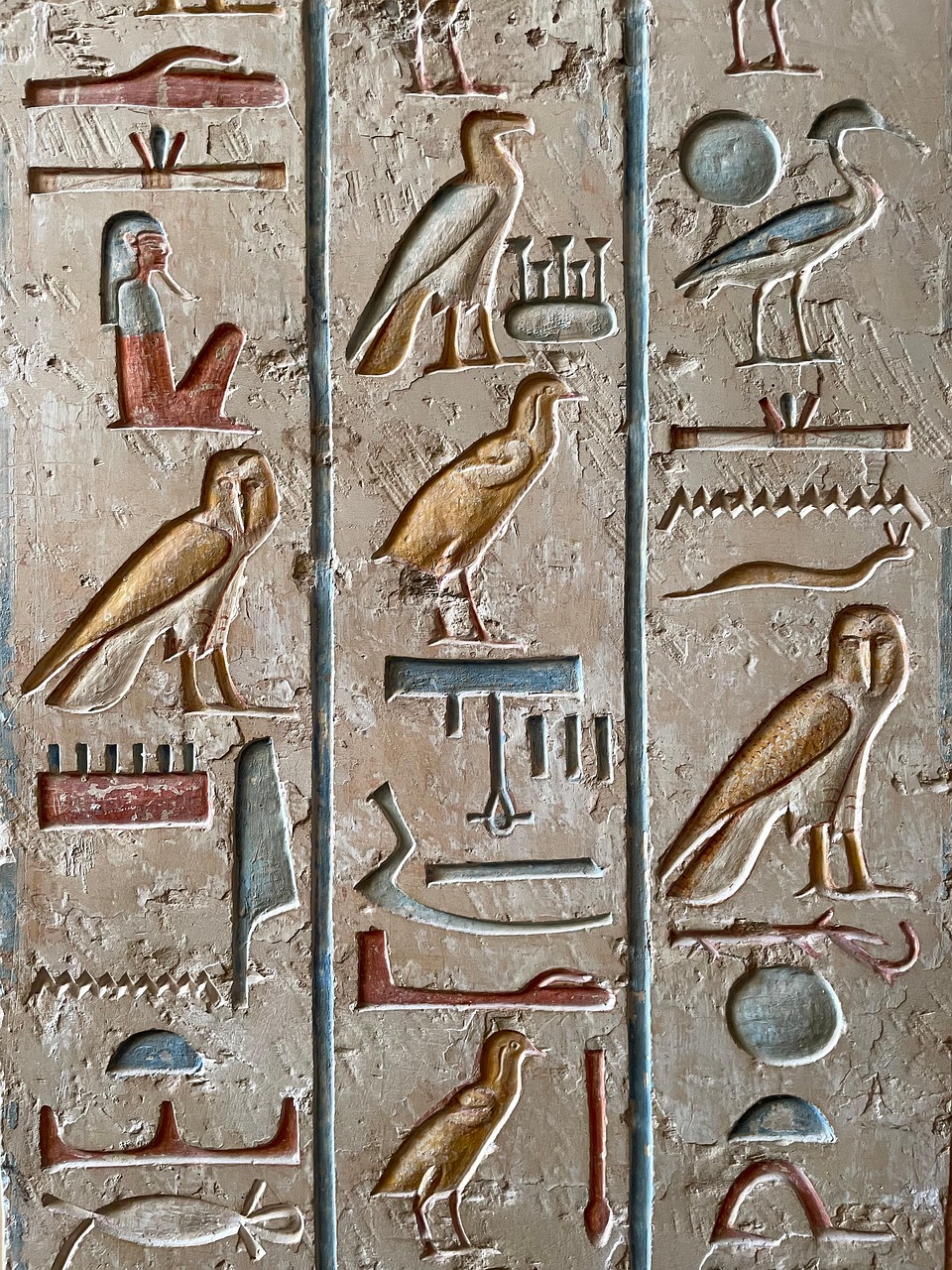
The early kingdoms of Korea, often overshadowed by the country's more modern achievements, play a crucial role in understanding the nation's rich history and culture. Learning about these ancient civilizations offers a glimpse into the birth of Korean culture, shaping our appreciation for the country's unique identity. The Silla and Goguryo dynasties, for instance, laid the foundation for much of Korea's political and social structures, establishing a legacy that resonates even today. These kingdoms were not only centers of power but also hubs of cultural exchange, fostering the development of art, architecture, and philosophical thought.
One of the most significant events in the early Korean history is the creation of the Hangeul alphabet by King Sejong the Great during the Joseon Dynasty. This invention, considered a cornerstone of Korean culture, allowed for widespread literacy and the preservation of oral traditions. The Hangeul system, known for its logical and phonetic design, has remained the primary writing system in Korea to this day. Exploring this period also reveals the country's deep engagement with the Silk Road, which facilitated cultural and economic exchanges with neighboring civilizations. The city of Busan, with its strategic location, served as a bustling trade hub, connecting Korea to the rest of Asia.
To truly learn about Korean history Korea, one need not look further than the nearby historical sites. The remains of ancient kingdoms, such as those found in Gyeongju, offer tangible connections to the past. Visiting these places allows beginners to visualize the day-to-day lives of the Silla and Goguryo people, from the grand temples to the mundane tasks of daily existence. For those seeking more, top-rated Korean history books for beginners provide comprehensive insights, making it accessible to learn about Korean history Korea for free, at one's own pace. Understanding these early kingdoms provides a critical context for comprehending Korea's complex and fascinating cultural landscape, both past and present.
The Silla Dynasty: Unifying the Peninsula
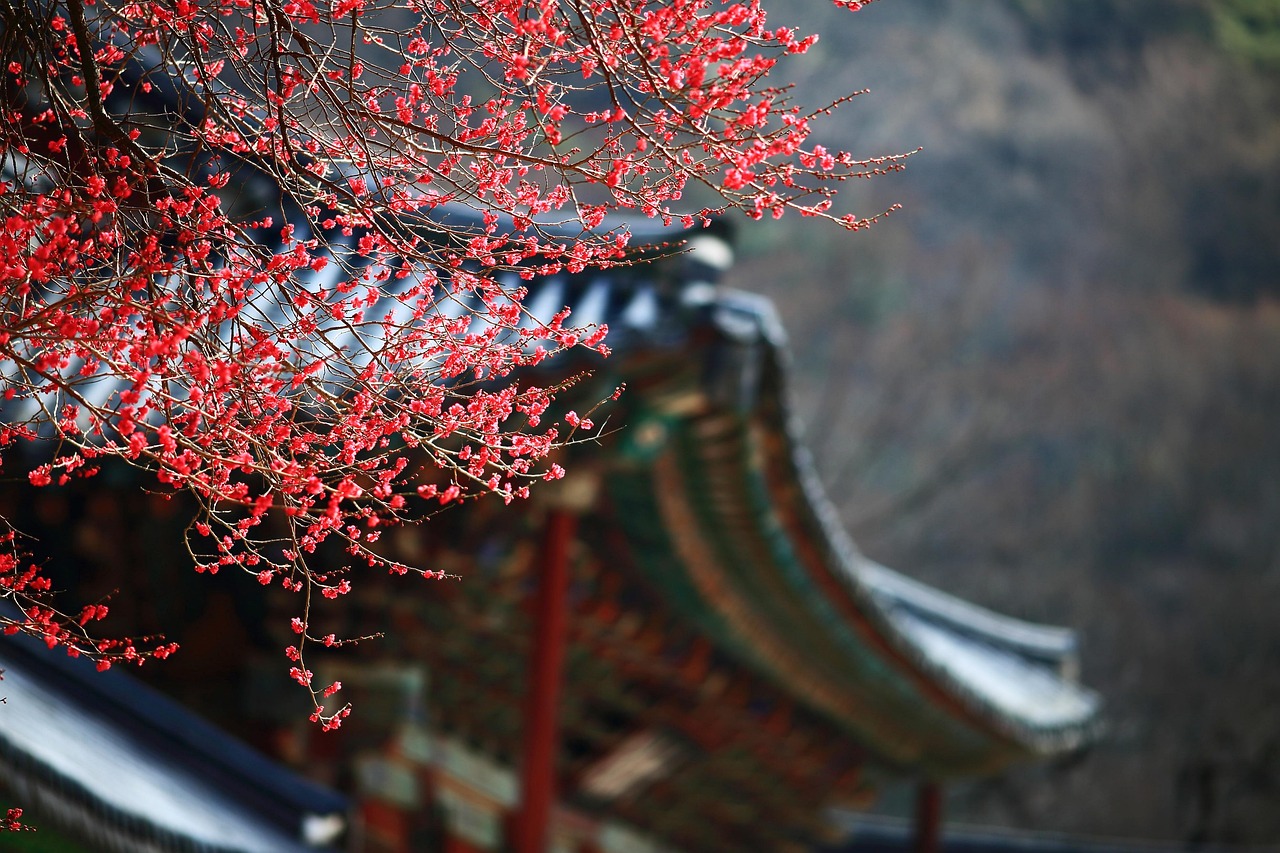
The Silla Dynasty (57 BC - 935 AD) stands as a pivotal chapter in Korean history, leaving an indelible mark on the peninsula's unification and cultural evolution. This ancient civilization, centered in what is now the southern part of Korea, embarked on a remarkable journey to forge an unified nation. Learn about Korean history Korea's earliest efforts at political unity through the Silla's remarkable achievements and the lasting legacy they left behind.
The Silla Dynasty's path to power was characterized by a series of military victories and strategic alliances. By the 7th century, Silla had conquered the neighboring kingdoms of Bakje and Gaol, effectively controlling the southern part of the Korean Peninsula. This period saw the rise of powerful leaders like King Jinpung, who, according to historical accounts, played a pivotal role in expanding Silla's territory and influence. The dynasty's military prowess was further demonstrated by their successful defense against Chinese invasions during the 7th century, showcasing their strategic depth and organizational strength.
Cost-effective Korean history workshops and nearby events this weekend can provide a deeper examine the Silla's accomplishments. Archaeological findings from this era, such as the discovery of the Bulguksa Temple, offer tangible evidence of Silla's cultural and architectural grandeur. The temple, a UNESCO World Heritage Site, stands as a sign of their advanced construction techniques and deep Buddhist influence. The Silla's legacy extends beyond borders, as their interactions with neighboring countries through trade and cultural exchange left an imprint on the entire region.
As Silla consolidated its power, the best-kept secrets of Korean history unfold-from the establishment of the capital at Gyeongju to the creation of a sophisticated administration. The dynasty's centralized system, characterized by a powerful ruler and a well-organized bureaucracy, set the stage for future Korean states. This period also witnessed significant advancements in art, literature, and technology, all of which contributed to a rich cultural heritage that continues to captivate historians and enthusiasts alike. Exploring these aspects through focused research or immersive experiences can provide a profound understanding of the Silla Dynasty's impact on Korean history.
Balhae and the Northern Kingdoms: A Diverse Landscape
The landscape of ancient Korea was diverse, shaped by the rise and fall of several kingdoms, each leaving its mark on the region's rich history. Among these, Balhae and the Northern Kingdoms stand out as unique cultural entities that offer a fascinating glimpse into Korea's past. Balhae, founded in the 7th century, was a powerful state that flourished in the northern regions, influencing the development of Northeast Asia. Its existence challenged the dominance of the Silla and Tang Dynasties, reshaping political dynamics and trade routes.
The Northern Kingdoms, including the states of Goguryeo and Baekje, also played pivotal roles in shaping early Korean history. These kingdoms, though initially powerful, faced significant challenges, particularly from the expanding Tang Dynasty of China. The political landscape became increasingly complex, marked by alliances, conflicts, and the eventual absorption of these kingdoms into larger empires. This era is a sign of the resilience and adaptability of Korean civilizations, as they navigated through a series of transformations.
Learning about these ancient kingdoms is not just about studying dates and battles; it's about understanding the cultural exchange, technological advancements, and artistic expressions that flourished in this diverse landscape. The metalworking techniques of Balhae and the Buddhist art of the Northern Kingdoms left lasting legacies. These unique experiences, affordable and accessible through cultural tours and historical sites, offer valuable insights into Korea's rich heritage. Reading reviews for Korean history tours can guide you towards the most enlightening experiences, allowing you to examine deeper into this fascinating era.
The Golden Age: Goryeo and Its Cultural Flourishing
The Goryeo Dynasty, which spanned from 918 to 1392, is considered a golden age in Korean history, marking a period of immense cultural flourishing and artistic innovations. This era witnessed significant advancements in various fields, including literature, philosophy, and the arts, which continue to shape Korean culture today. The development of Hangeul, the Korean alphabet, during this time revolutionized communication and made literature more accessible to the masses. This period's cultural richness is also evident in the evolution of Korean cuisine, with dishes like bibimbap and kimchi finding their roots in this era, reflecting the dynasty's agricultural and culinary advancements.
Professional Korean history consultants often highlight the societal and political reforms implemented during Goryeo as pivotal. The dynasty promoted education, with the establishment of schools and the compilation of texts, fostering a culture of learning. This period also saw the rise of the Hwarang, a youth movement dedicated to martial arts and academic pursuits, reflecting a strong emphasis on youth development. The Goryeo rulers actively engaged in cultural exchanges along the Silk Road, leading to the introduction and incorporation of foreign artistic influences into Korean traditions.
The legacy of Goryeo extends beyond its borders, as its innovations in metalworking techniques and advanced knowledge of acupuncture influenced neighboring countries. This era's artistic output, ranging from intricate Buddhist art to the elaborate architecture of temples like Bongseonsa, remains a sign of the dynasty's cultural prowess. The top-rated Korean history books for beginners often examine the rich mix of Goryeo, offering insights into its impact on the country's modern identity. By exploring this period, one gains a deeper understanding of Korea's historical narrative, revealing the intricate evolution of its culture and traditions.
Korean Trade and Diplomacy: Connecting East and West
Korea's rich history is a mix woven with threads of trade and diplomacy, connecting it to the broader world for centuries. Learn about Korean history Korea reveals a nation that has acted as a cultural and commercial crossroads, facilitating exchanges between East and West. Ancient kingdoms like the Silla and Goguryo Dynasties established trade routes along the Korean Peninsula and into China and Japan, introducing Korean innovations like metalworking and calligraphy to neighboring lands.
One of the best historical sites in Korea for families to explore this legacy is Bongseonsa Temple, which showcases the sophisticated Buddhist art of the Goryeo Dynasty. These artistic and cultural exchanges weren't merely one-way streets. Korean monks traveled the Silk Road, spreading Buddhist teachings and bringing back ideas from India and Central Asia. This dynamic exchange enriched Korean culture and contributed to the development of its unique identity.
Beyond trade, Korea's strategic location also made it a key player in global diplomacy. The 38th Parallel, a significant dividing line during the Korean War, reflects the nation's role in geopolitical shifts. Affordable tours and events near the best historical sites in Korea offer accessible ways to learn about these periods, providing a tangible connection to Korea's past. Local cultural centers often host workshops on traditional Korean crafts or lectures on the nation's medical practices, allowing visitors to examine deeper into the country's rich heritage. Even weekend excursions to nearby historical sites can offer a glimpse into Korea's role as a bridge between east and west.
Legacy and Impact: Understanding Modern Korea's Roots
The legacy and impact of ancient Korean civilizations continue to shape the modern nation, making learning about Korean history Korea a fascinating journey. Consider these 10 must-know facts:
-
Silla and Goguryo Dynasties: These ancient kingdoms laid the groundwork for Korean political and cultural structures. The Silla Dynasty, known for its metalworking techniques and the invention of Hangeul, the Korean alphabet, left a lasting impact on the nation's language and identity. Meanwhile, the Goguryo Dynasty, under leaders like Sejong the Great, promoted art, architecture, and technological advancements, contributing to Korea's rich cultural heritage.
-
Social and Political Evolution: Ancient Korea experienced significant shifts, like the Gynocratic Period, where women held prominent political roles, and the subsequent rise of the Yanggak system, which emphasized education and social hierarchy. These periods, often overlooked in superficial treatments, offer crucial insights into the country's complex history.
-
Inventions and Cultural Exchange: Korea's geographical position along the Silk Road facilitated cultural exchange and inventions. The Goryeo Dynasty, for instance, is renowned for its advancements in pottery, metalworking, and printing. These innovations not only enriched Korean culture but also contributed to the development of neighboring countries, demonstrating the far-reaching impact of ancient Korean civilizations.
-
Food and Folklife: From Bibimbap and Kimchi to Korean BBQ and Pansori, traditional Korean food and folklore reflect the nation's history. These cultural practices, deeply rooted in ancient traditions, are now celebrated globally, attracting tourists and food enthusiasts alike. Trusted Korean history tour operators often highlight these culinary and folkloric elements, providing cost-effective workshops where you can learn and taste these traditions firsthand.
By examining deeper into these aspects, one gains a profound appreciation for the interconnectedness of history and modern Korea. Reading reviews for Korean history tours can offer valuable insights into how others have engaged with these cultural and historical experiences. Whether through tours, workshops, or independent study, learning about Korean history Korea provides a window into the past that illuminates the present and future of this dynamic nation.
By examining the rich mix of Korean history, from the ancient kingdoms to the modern era, we've uncovered profound insights that offer a deeper understanding of this remarkable culture. Through the evolution of dynasties like Silla and Goryeo, Korea's unique identity has been shaped by its interactions with diverse civilizations along the Silk Road and its strategic position on the Asian peninsula.
The article highlights the significance of learning about Korean history Korea to appreciate the nation's resilience, innovation, and artistic achievements. From the early Buan-gwan and Hwarang to the political complexities of the Jaseon Dynasty and the social dynamics of the Gynocratic Period, each historical period offers a window into Korea's past struggles and triumphs.
Key takeaways include the importance of understanding the cultural exchange that nurtured the development of Hangeul and the profound influence of Buddhist art on Korean aesthetics. The country's culinary delights, like Bibimbap and Kimchi, are not just gastronomic treasures but cultural artifacts that have stood the test of time.
The article underscores the value of recognizing the geopolitical forces that have shaped modern Korea, from the Korean War to the Non-aggression Pact. This historical context is crucial for comprehending the nation's ongoing reconciliation efforts and its place on the global stage.
Learning about Korean history Korea is not merely an academic pursuit; it empowers us to appreciate the depth and diversity of this culture. By embracing these insights, readers can gain a richer perspective on Korea's past and its enduring legacy in the present.
Learn about Korean History Korea: A Cultural and Historical Journey
Uncovering Korea's ancient civilizations offers a rich mix of history, culture, and culinary traditions. The Silla and Goguryo dynasties, along with Balhae and the Northern Kingdoms, laid the foundation for Korean identity. The Goryeo Dynasty stands out as a golden age, marked by cultural flourishing, literary advancements, and artistic innovations that continue to shape Korea today.
Korea's history as a cultural and commercial crossroads is evident in its trade routes, influential inventions like Hangeul, and its role in global diplomacy. Dishes like bibimbap and kimchi reflect the nation's resilience, while historical sites like Bongseonsa Temple showcase its artistic legacy.
To truly learn about Korean history Korea, engage with local food and cultural experiences, offering insights into the nation's past. Top-rated tours, workshops, and books provide accessible ways to examine this fascinating history, connecting the past to the present of this dynamic nation.