In exploring any culture, understanding its historical figures is key to achieveing its soul. Learn about Korean history Korea reveals a mix woven with brilliant leaders, thinkers, and artists who shaped the nation's identity. From the ancient Silla Dynasty to the modern era, these ten individuals represent a cross-section of Korean society, showcasing its resilience, creativity, and diverse contributions. By delving into their lives, we gain invaluable insights into Korea's evolution and its enduring cultural heritage. This article will guide you through these key figures, illuminating their impact and relevance in shaping the Korea we know today.
- Uncovering Korea's Ancient Past: Meet Its Founding Fathers
- Medieval Marvels: Rulers Shaping Korean Culture
- The Age of Confusion: Dynamic Dynasties & Powerful Families
- Imjin War: A Turning Point in Korean History
- Joseon's Golden Era: Art, Science, and Global Trade
- Colonialism & Resistance: A Nation's Struggle for Independence
- Modern Korea: From Partition to Economic Miracle
Uncovering Korea's Ancient Past: Meet Its Founding Fathers
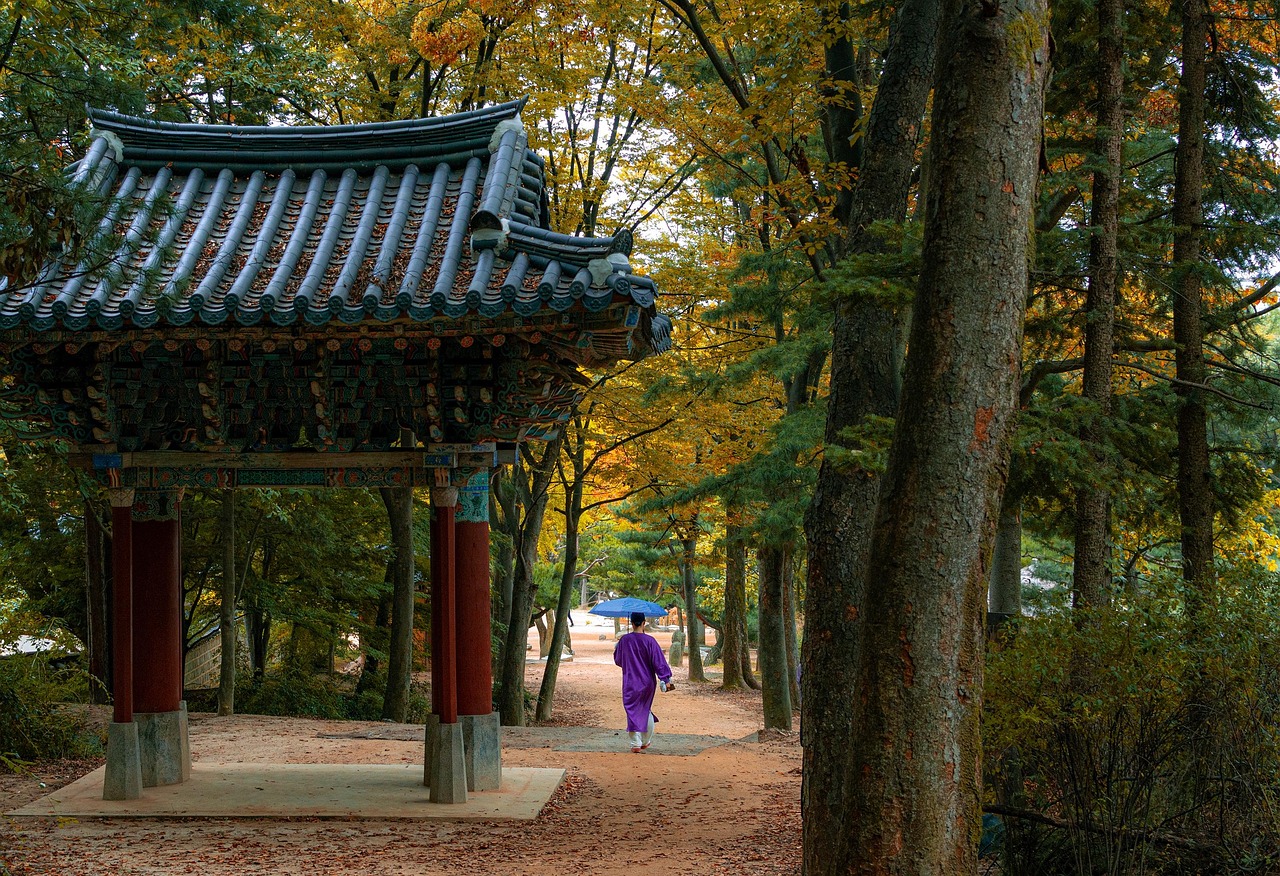
Korea's ancient past is a rich mix woven with the threads of its founding fathers. To truly learn about Korean history, one must meet the figures who laid the foundations of its various kingdoms and dynasties. The Silla and Goguryo dynasties, for instance, emerged from the mists of prehistory, establishing the first unified states on the Korean Peninsula around the 7th century CE. These early rulers, like the legendary King Sejong of the Joseon Dynasty, would shape the cultural and political field for centuries to come.
The Silla Dynasty, with its capital at Buan-gwan, is particularly notable for its Hwarang, or youth warriors, who were not only soldiers but also scholars and cultural ambassadors. This period saw significant advancements in metalworking techniques, which would later become a cornerstone of Korea's technological prowess. Meanwhile, the Goguryo Dynasty, centered at Jangansuk (modern-day Pyongyang), developed a sophisticated administrative system and flourished through strategic trade along the Silk Road.
By the 14th century, the Joseon Dynasty, founded by King Taejo, ascended to power, marking a period of immense cultural and intellectual growth. Sejong the Great, one of the dynasty's most revered leaders, is credited with inventing Hangeul, the Korean alphabet, in 1443. This innovation democratized literacy and remains the basis of the Korean language today. The Joseon period also witnessed advancements in medicine, with traditional herbal remedies and acupuncture becoming integral parts of Korean healthcare. These in-depth analyses of Korean history reveal a society that was not only technologically and culturally advanced but also deeply rooted in its philosophical traditions, with Confucianism guiding social structures and moral codes.
To gain a deeper understanding of Korea's ancient past, trusted Korean history tour operators offer immersive experiences. These trips often include visits to historic sites like Bongseonsa Temple, known for its exquisite Buddhist art, and Gyeongbokgung Palace, a symbol of the Joseon Dynasty's grandeur. For beginners, top-rated Korean history books, such as A History of Korea by E.W. C. Wilkinson, provide accessible entry points into this complex yet fascinating subject. By exploring these resources, you can embark on a journey through time, uncovering the stories and legacies of Korea's founding fathers and their profound impact on the nation's cultural heritage.
Medieval Marvels: Rulers Shaping Korean Culture
In the mix of Korean history, medieval rulers wove threads of culture, shaping the nation's identity and enduring traditions. These figures, from the ancient Silla Dynasty to the dynamic Jaseon Dynasty, left indelible marks on the country's social, political, and artistic field. Understanding their stories offers an unique Korean history experience, providing insights into how this small peninsula nation became a cultural powerhouse.
Consider, for instance, Sejong the Great, the 4th king of the Joseon Dynasty, who ascended the throne in 1418. Sejong is renowned for his dedication to education and innovation. He established the Korean Academy (Gwan-gak), a hub for scholars and inventors, where they developed advanced metalworking techniques and even crafted the world's first movable metal type—a precursor to the printing press. This period, often referred to as the Gwan-gak Era, exemplifies how a ruler's passion for knowledge can fuel technological advancements and cultural flourishing.
The medieval period also witnessed the emergence of the Hye-gwon, a powerful woman leader in the late Goryeo Dynasty (918–1392). As the regent for her son, she guided the country through political turmoil, showcasing an unique instance of gynocratic rule. Her leadership, though brief, highlights the complex social dynamics of the era and the potential for female strength in a male-dominated society. These historical figures, along with their achievements, offer a glimpse into the depth and diversity of Korean history, inviting further exploration and a deeper Korean history: a cultural journey.
Professional Korean history consultants note that understanding these medieval rulers is important for grasping the nation's cultural evolution. Their actions and decisions shaped not just politics but also art, architecture, and trade routes, such as the historic Silks Road. The construction of Gyeongbokgung Palace, initiated by King Sejong, not only served as a royal residence but also symbolized the country's power and cultural aspirations. Delving into these stories allows modern audiences to appreciate the intricate interplay between leadership, society, and the development of a rich cultural heritage.
The Age of Confusion: Dynamic Dynasties & Powerful Families
The period between the 6th and 19th centuries in Korea was a time of dynamic dynasties and intense power struggles, marked by the rise and fall of influential families. This era, often characterized as the "Age of Confusion," saw the Korean Peninsula handle through a series of competing political forces, each leaving its imprint on the country's history, culture, and society. Exploring this time offers valuable insights into the complex nature of Korean history, as these dynasties and families shaped the country's trajectory for centuries.
Consider the Silla and Goguryo dynasties, which dominated much of the peninsula. Silla, founded in 57 BC, emerged as a powerful force in the southeast, its influence extending over much of the Korean Peninsula and parts of Japan. Conversely, Goguryo, established in 37 BC, held sway in the north, known for its sophisticated metalworking techniques and significant cultural advancements. These competing forces often clashed, with battles along the 38th parallel becoming common. The Jaseon Dynasty, founded in 1392, temporarily unified Korea but faced internal strife and external threats, including Japanese invasions in the 16th century. These historical events are vividly depicted in Korea's historical villages, offering same-day Korean history museum visits that transport visitors back to these tumultuous times.
The influence of powerful families within these dynasties was profound. The Joseon royal family, for instance, promoted Confucianism, shaping the nation's values and social structures. The period also saw the rise of the Hwarang, a youth military order, and the Gwan-gak, a women's guard, reflecting the unique social dynamics of the time. Sejong the Great, a key figure, is renowned for his educational and cultural reforms, including the invention of Hangeul, which remains Korea's native script to this day. These developments exemplify the era's intellectual and cultural vibrancy. Exploring Korea's historical villages, such as Bongseonsa and Yanggak, provides tangible links to these past eras, offering a deeper understanding of Korean history: a cultural journey through time.
Imjin War: A Turning Point in Korean History
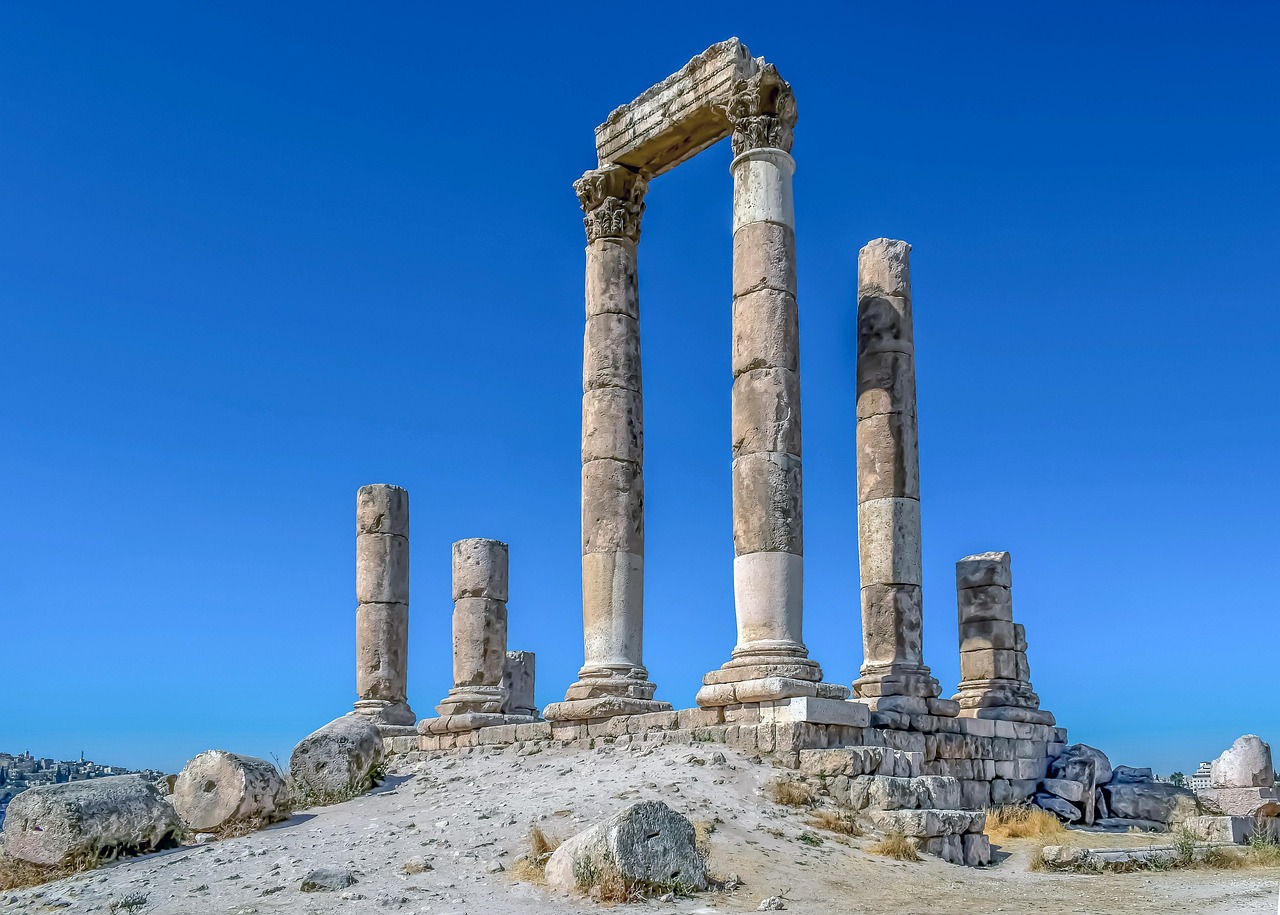
The Imjin War, fought in the late 16th century, stands as a key moment in Korean history, marking a turning point that reshaped the nation's trajectory. This conflict, known as the Japanese Invasion of Korea, saw a formidable Korean defense led by the valiant efforts of military strategists like Admiral Yi Sun-sin and General Kim Chung-son. Learn about Korean history Korea by delving into this era, where the resilience of the Korean spirit was on full display. The war concluded with the signing of the 1598 Treaty of Heunghwa, but its legacy extended far beyond the battlefield, influencing everything from culinary traditions to cultural heritage.
The evolution of Korean cuisine through history is a sign of the nation's ability to adapt and absorb diverse influences. During the Imjin War, soldiers and refugees traveled along the 38th Parallel, bringing with them recipes and ingredients from various regions. This cultural exchange resulted in the blending of flavors and techniques, enriching Korean cuisine. Today, trusted Korean history tour operators offer same-day visits to museums and historic sites, allowing tourists to experience this rich heritage firsthand. The National Museum of Korea in Seoul showcases artifacts from the Silla and Goryeo dynasties, offering a glimpse into the country's ancient past.
Beyond culinary delights, the war's impact is evident in Korea's artistic and architectural achievements. The iconic Bongseonsa temple, for example, was a center of Buddhist art during the Goryeo Dynasty, reflecting the profound influence of Buddhism on Korean culture. As the nation recovered, the focus shifted to education and inventions. Sejong the Great, a key figure in Korean history, is renowned for his contributions to literacy, including the invention of Hangeul, the Korean alphabet, which facilitated widespread education. This period also witnessed advancements in metalworking techniques, as demonstrated by the celestial globe and compass, both signs to Korean ingenuity.
As Korea handles the modern era, the lessons from its historical struggles continue to shape its identity. The Imjin War serves as a reminder of the nation's resilience and adaptability, inspiring Koreans to overcome contemporary challenges. It underscores the importance of cultural preservation and exchange, exemplified by the ongoing efforts to promote Korean cuisine and art globally. These same-day museum visits and immersive tours provide a tangible connection to the past, allowing both Koreans and visitors to learn about and appreciate their shared history.
Joseon's Golden Era: Art, Science, and Global Trade
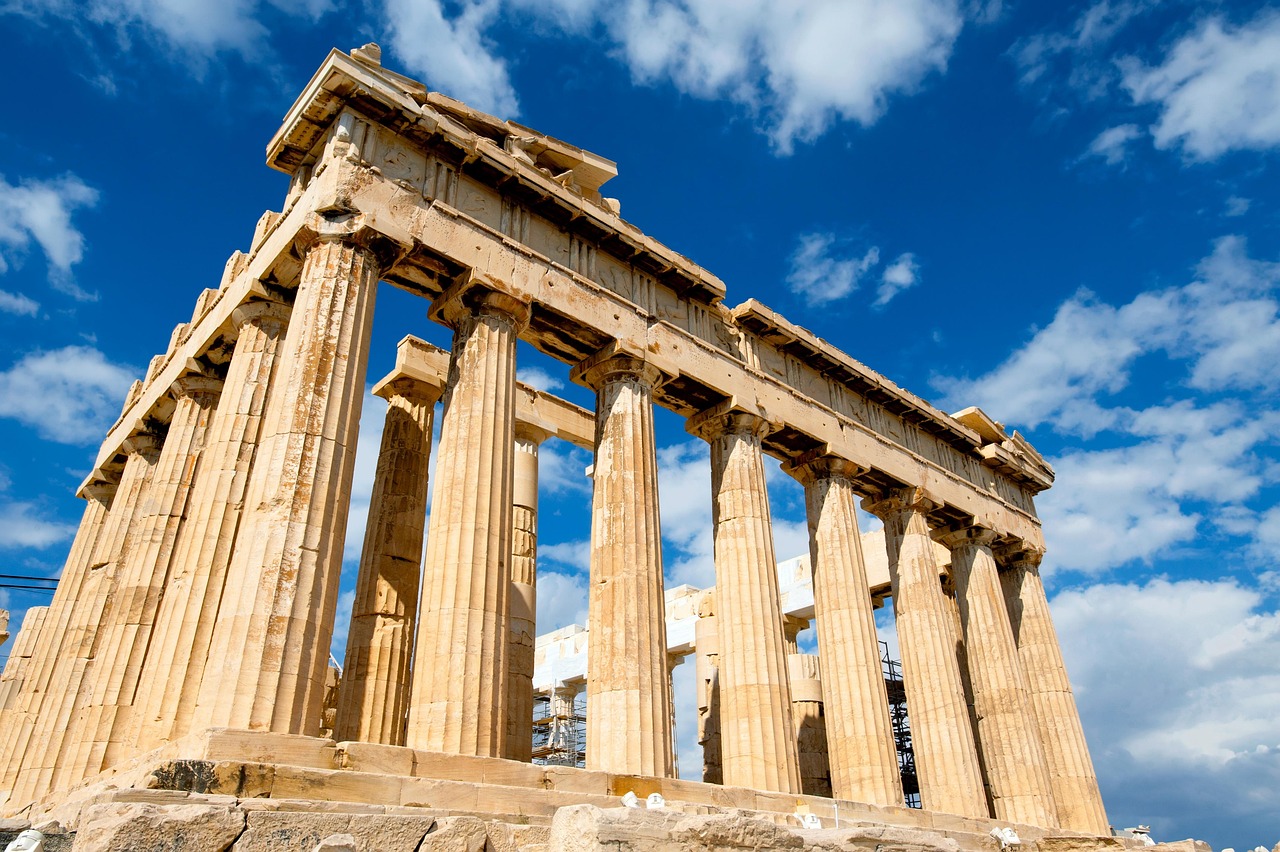
The Joseon Dynasty, which spanned from 1392 to 1910, is an important period in Korean history, often regarded as a golden era of art, science, and global trade. This era, characterized by stability and cultural flourishing, left an indelible mark on Korea's heritage and offers a wealth of insights for those who want to learn about Korean history. Local licensed Korean history tour guides often highlight the dynamic interplay between domestic advancements and international exchanges during this time, providing a nuanced perspective on Korea's place in the world.
Art and science reached new heights under the leadership of Sejong the Great, the fourth king of Joseon. This period saw the invention of Hangeul, the Korean alphabet, in 1443, revolutionizing education and communication. The invention is a sign of the Joseon government's focus on promoting literacy and cultural preservation. The dynasty's scientific achievements include advancements in metalworking techniques, astronomy, and cartography, as evidenced by the intricate bronze celestial globes crafted during this era. These globes, some over 40 cm in diameter, were not only artistic masterpieces but also served as practical tools for navigation and education.
Global trade expanded significantly during the Joseon Dynasty, primarily through the Silk Road, which connected Korea with neighboring countries and distant markets. The port cities of Busan and Gangneung became bustling hubs of international trade, facilitating the exchange of goods such as silk, spices, and precious metals. This economic prosperity led to the construction of grand Buddhist temples like Bongseonsa, showcasing the nation's wealth and cultural influence. The temple's architecture and intricate carvings stand as a sign of the artistic prowess of the period. Korean artisans exported fine ceramics, textiles, and bronzeware, establishing Korea as a significant player in the global market.
Trusted Korean history tour operators often emphasize the cultural exchange that occurred during this time, as Joseon's openness to external influences merged with its rich traditions to create an unique blend of art and philosophy. This era's legacy continues to shape modern Korea, making it essential for anyone interested in learning about Korean history to explore this dynamic period. By delving into the scientific innovations, artistic achievements, and global connections of the Joseon Dynasty, one gains a deeper appreciation for Korea's cultural journey.
Colonialism & Resistance: A Nation's Struggle for Independence
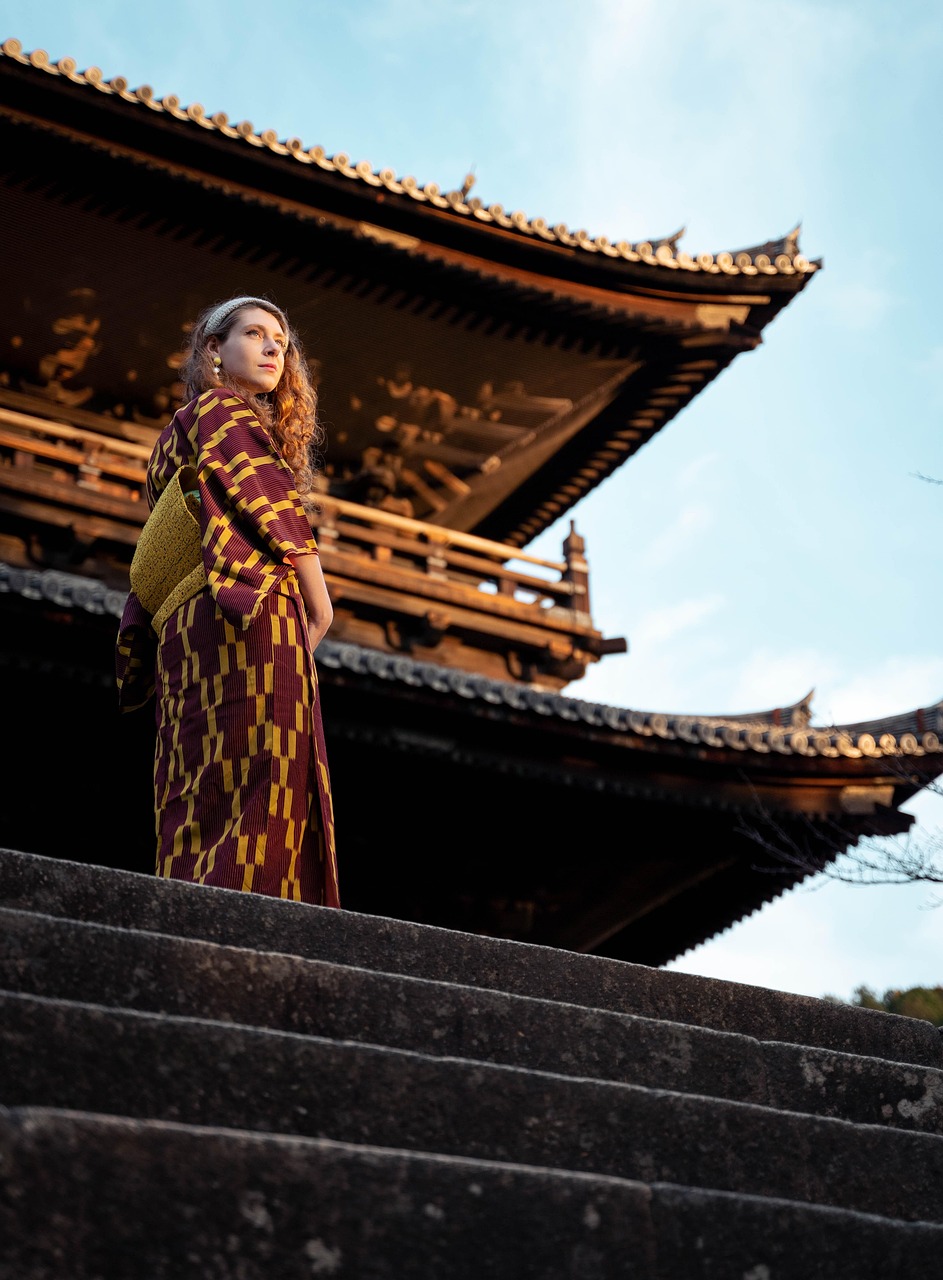
In the context of Korean history 101: a complete overview, understanding the nation's struggle against colonialism and the resilience of its people is essential. Korea, a peninsula rich in cultural heritage, faced significant challenges from foreign powers, most notably Japan during the early 20th century. This period of colonial rule left an indelible mark on the country's trajectory, shaping its modern identity. Learn about Korean history Korea through the lens of resistance movements that emerged during this time, providing valuable insights into the nation's fight for independence.
One of the most notable figures in this chapter is Sejong the Great (1397–1450), a ruler from the Joseon Dynasty who, despite not leading direct resistance, played a key role in preserving Korean culture and identity. He initiated the creation of Hangeul, the Korean alphabet, ensuring the people had a means of written communication. This invention facilitated literacy and became a cornerstone of Korean education, a legacy that endures to this day. His reign witnessed advancements in metalworking techniques and the development of traditional Korean medicine, showcasing a flourishing of culture and science.
The Korean War (1950–1953), another defining moment in Korean history, further highlights the nation's resilience and the impact of external influence. This conflict, a result of geopolitical tensions between North and South Korea, divided the country along the 38th Parallel. It was a brutal struggle, with significant loss of life and destruction. Yet, from the ashes, South Korea emerged as a thriving economic powerhouse, a sign of the determination of its people. Affordable learn about Korean history Korea tours can offer firsthand accounts of these events, providing a deeper understanding of the nation's struggles and triumphs.
Local licensed Korean history tour guides, equipped with extensive knowledge and historical context, can handle visitors through these complex topics. They bring to life the stories of resistance movements, like the one led by the revolutionary figure Daejong, who, during the Japanese Occupation, organized secret societies and promoted anti-colonial sentiments. These guides also explain the cultural and social changes that occurred during this period, such as the rise of the Gynocratic Period, where women held significant political and social power. Understanding these historical figures and events, accessible through affordable learn about Korean history Korea tours, offers valuable lessons in resilience, cultural preservation, and the enduring spirit of a nation.
Modern Korea: From Partition to Economic Miracle
In the modern era, as Korea stands as a global economic powerhouse, understanding its historical evolution is important. Learn about Korean history, particularly from the partition following World War II to the remarkable economic miracle of the late 20th century, reveals a nation's resilience, adaptability, and cultural richness. This period saw the emergence of iconic figures who shaped not only the country's political and social field but also its culinary scene.
The Korean Peninsula, divided at the 38th Parallel, experienced profound changes. Figures like Park Chung-hee, the architect of South Korea's economic miracle, implemented policies that fostered industrialization and foreign investment. This era also witnessed the rise of cultural icons like Choi In-hui, a celebrated actress who became a symbol of post-war Korean identity. The evolution of Korean cuisine during this time is a sign of the nation's ability to adapt; dishes like bibimbap and kimchi, once humble staples, became culinary ambassadors, reflecting the country's resilience and cultural blend. Reading reviews for Korean history tours reveals a growing interest in understanding this complex period through immersive experiences.
In North Korea, the Juche ideology, promoted by Kim Il-sung, emphasized self-reliance, leading to an unique, isolated path. This period saw the rise of the Kim dynasty, with its cultural and political interpretations significantly shaping the North's identity. However, the country's isolation also led to the development of distinct cultural practices and artistic interpretations, offering an unique perspective for those who seek authentic Korean history experiences. The traditional arts of pansori, a form of storytelling through singing and drumming, and nangnyang, a martial art with roots in the ancient Silla Dynasty, provide insights into Korea's cultural heritage and its evolution through the ages.
The partition's impact extended beyond politics; it influenced the culinary field. As South Korea embraced globalization, its cuisine evolved, incorporating international influences while preserving traditional elements. This fusion led to the creation of modern Korean BBQ, a global sensation. Conversely, North Korea's culinary history has been shaped by its isolation, with traditional dishes like kkakdugi (spicy radish kimchi) and sikhye (rice porridge) remaining staples. As the peninsula continues to heal its divisions, learning about these distinct culinary paths offers an unique lens into Korea's past and its people's determination to preserve their cultural identity.
Frequently Asked Questions About Top 10 Korean Historical Figures You Should Know
Who are the top 10 Korean historical figures?
The top 10 Korean historical figures span various eras and fields, reflecting the nation's rich cultural and political mix. The list includes King Sejong (1397-1450), renowned for inventing the Korean alphabet (Hangul); Admiral Yi Sun-sin (1545-1598), who defeated Japanese pirates in the Imjin Wars; and General Gae Seb (c. 57 BC - 19 BC), a key figure in the establishment of the Korean nation. Others include philosopher Jang Kim (1243-1302), scientist Cho So-ang (1789-1866), and activist and independence leader Kim Gu (1876-1934). This diverse group offers insights into Korea's history, science, philosophy, and fight for independence.
Why should I know about these historical figures?
Understanding these figures offers a window into Korea's history and cultural heritage. They represent key moments in the nation's development, from the creation of the alphabet to military prowess and intellectual contributions. Knowing their stories fosters a deeper connection with Korean history and culture, providing valuable context for today's society.
What was the most significant contribution of King Sejong?
King Sejong the Great's most significant contribution was the invention of Hangul, the Korean alphabet. This achievement democratized knowledge and education, as Hangul was designed to be easily learned by all, regardless of social class. This innovation marked a turning point in Korean culture, leading to a flourishing of literature and education during the Joseon Dynasty.
Which historical figure had the greatest impact on Korean military strategy?
Admiral Yi Sun-sin, a naval commander during the Imjin Wars, had the greatest impact on Korean military strategy. He pioneered innovative tactics, such as the use of turtle ships, and his victories against superior Japanese forces are celebrated for their strategic brilliance. Yi's legacy continues to inspire military thinking, not just in Korea but globally.
What role did women play in Korean history?
Korean history is marked by notable women who made significant contributions. From Queen Seondeok (632-647), one of the few female rulers in Korean history, to activist and independence leader Kim Gu's daughter, Kim Ok-gyun, who fought for women's rights, women have played important roles. They challenged societal norms, contributed to politics, and advocated for equality, enriching Korea's historical narrative.
As we've explored the rich mix of Korean history, from its ancient beginnings to its modern rise, several key insights emerge. We've seen how Korea's founding fathers laid the groundwork for its culture, with dynasties like Silla and Goguryo establishing the nation's identity. The medieval period brought dynamic rulers like Sejong the Great, who championed innovation in science and culture, including the invention of Hangeul. We've witnessed the nation's resilience during turbulent times, notably the Imjin War, where resistance movements emerged. The Joseon Dynasty's golden era showcased Korea's global trade prowess, while the colonial era and subsequent partition underscored the struggle for independence.
Learning about Korean history, Korea's people have developed an unique cultural identity, evident in their art, architecture, and traditions. From the intricate murals of Gwan-gak to the oral storytelling of Pansori, each era left its mark. Korea's historical figures, such as Hye-gwon and Yanggak, exemplify the nation's intellectual and social progress.
Today, Korea's economic miracle stands as a sign of its resilience and adaptability. By understanding its history, we gain a deeper appreciation for the factors that shaped this remarkable nation. These insights encourage further exploration, whether through studying specific historical events, delving into cultural practices, or examining the inventions that have influenced the world.
Korean History: A Cultural Journey
Ancient Korea was shaped by dynasties like Silla, Goguryo, and Joseon, who advanced metalworking, administration, and literacy. The Joseon period, under figures like King Sejong, saw cultural and scientific flourishing. Medieval rulers' innovations, from metalworking to printing, laid the foundation for Korea's technological and cultural advancements.
The Joseon Dynasty (1392-1910) is a golden era marked by stability, art, and global trade. Scientific achievements, such as celestial globes, and cultural exchanges through the Silk Road enriched Korea.
Korea's struggle against colonialism, most notably Japan, during the 20th century, left an indelible mark. Figures like Sejong and resistance movements showcase the nation's resilience. The Korean War further emphasized the people's determination.
In the modern era, understanding post-war division and the economic miracle reveals a resilient nation. Culinary evolution, from bibimbap to kimchi, reflects cultural adaptability. North Korea's Juche ideology and unique cultural practices offer a distinct perspective.
To learn about Korean history, explore immersive tours, trusted books, and local guides who bring these periods to life, providing a deep examine Korea's rich heritage.