In exploring Korean philosophy, examining the history of Korea offers a profound lens through which to understand its unique intellectual traditions. Korea's rich past, spanning ancient civilizations like Silla and Goguryo to dynamic modern periods, has shaped a philosophical perspective that intertwines with its culture, art, and social structures. However, navigating this history can be challenging without a structured guide. This article, designed for beginners, aims to rectify that by providing a comprehensive, accessible introduction to key periods, figures, and concepts in Korean history that are foundational to its philosophy. By learning about Korean history Korea, we gain insights into the roots of its philosophical thought, from the intricate dynamics of ancient societies to the modern influences that continue to shape its cultural heritage.
- Unraveling Korea's Historical Context: Laying the Foundation
- Core Concepts: Buddhism and Confucianism in Korea
- Traditional Values: Family, Society, and Government
- Dynamic Changes: Modern Influences on Korean Philosophy
- Key Thinkers: Exploring Korean Philosophical Figures
- Cultural Practices: Rituals and Their Philosophical Underpinnings
- Global Perspective: Korean Philosophy's Global Impact
Unraveling Korea's Historical Context: Laying the Foundation
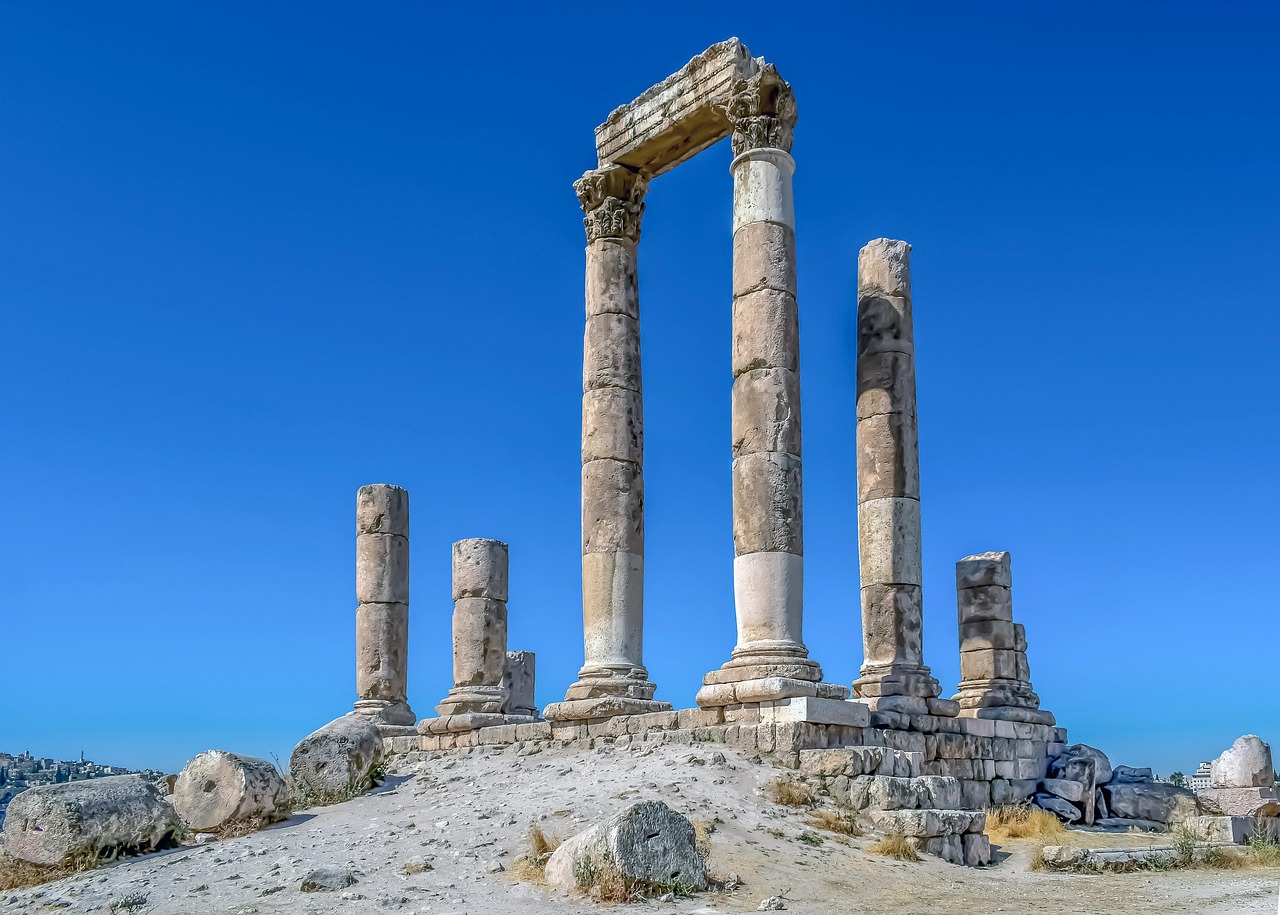
To truly understand Korean philosophy, one must first examine the rich mix of its history. Learning about Korean history Korea offers a foundational context that shapes the country's unique intellectual and cultural landscape. This journey through time reveals a dynamic nation marked by ancient civilizations, powerful dynasties, and periods of intense cultural exchange.
Consider, for instance, the Silla and Goguryo dynasties, which laid the groundwork for much of Korea's early political and social structures. The Hwarang, a type of noble youth organization within the Silla kingdom, exemplifies the emphasis on education and military training, a theme that resonates in Korean philosophical thought. The invention of Hangeul, the Korean alphabet, by King Sejong the Great during the Joseon dynasty, marks a pivotal moment in the country's cultural heritage. This innovative system of writing democratized education and facilitated the spread of literature, leaving an indelible mark on Korean society.
The unique geographical position of Korea, straddling the 38th parallel, has also played a crucial role in its history. The country's experiences with foreign invasions, periods of occupation, and subsequent resistance movements, such as those against Japan, have shaped its cultural identity and political outlook. These experiences are not just historical events; they are integral to the national consciousness, influencing everything from artistic expressions like traditional Korean painting (Gwan-gak) and pottery (Nangnyang) to philosophical perspectives on harmony, resilience, and the relationship with nature.
As you explore Korean history, you'll uncover not just a chronological narrative but a living, breathing context that enriches your understanding of its philosophical traditions. Engaging in an in-depth analysis of Korean history, whether through local emergency Korean history lessons near me or immersive cultural experiences, offers a profound way to connect with the nation's spirit and appreciate the depth and complexity of its philosophical contributions. These lessons serve as a bridge between the past and present, allowing you to appreciate the evolution of Korean thought while also learning from its historical resilience and adaptability.
Core Concepts: Buddhism and Confucianism in Korea
Korean history: a cultural journey offers a unique perspective on the development of philosophy through the lens of two dominant influences: Buddhism and Confucianism. Learn about Korean history Korea's spiritual and intellectual evolution reveals a rich mix of ideas that have shaped the nation's identity. Buddhism, introduced during the early Silla Dynasty (57 BC - 935 AD), brought a focus on individual enlightenment and compassion, fostering a culture of spiritual contemplation and artistic expression. This religion left an indelible mark on Korean society, evident in the grand Buddhist temples like Bongseonsa, and the intricate art forms such as the iconic Gwan-gak sculptures.
Confucianism, on the other hand, emerged as a powerful force during the Goryeo Dynasty (918-1392), emphasizing social harmony, respect for elders, and ethical conduct. This philosophical system had a profound impact on Korean political and social structures, as seen in the strict yet organized society of the time. The concept of Yanggak, or the division of social roles, reflects Confucian principles, where each individual had a specific place and duty. This period also witnessed significant advancements in education, with the creation of Hangeul, the Korean alphabet, by King Sejong the Great, a sign of the dynasty's commitment to knowledge and communication.
Understanding these core concepts is essential for anyone seeking to learn about Korean history Korea. Cost-effective workshops and tours focused on Korean history provide an immersive experience, allowing participants to examine deeper into these philosophical roots. Reading reviews for these tours can offer valuable insights into how different perspectives interpret and present this rich cultural heritage. By exploring the interplay of Buddhism and Confucianism, one gains a deeper appreciation for the complex and dynamic nature of Korean history and its enduring influence on the modern nation.
Traditional Values: Family, Society, and Government
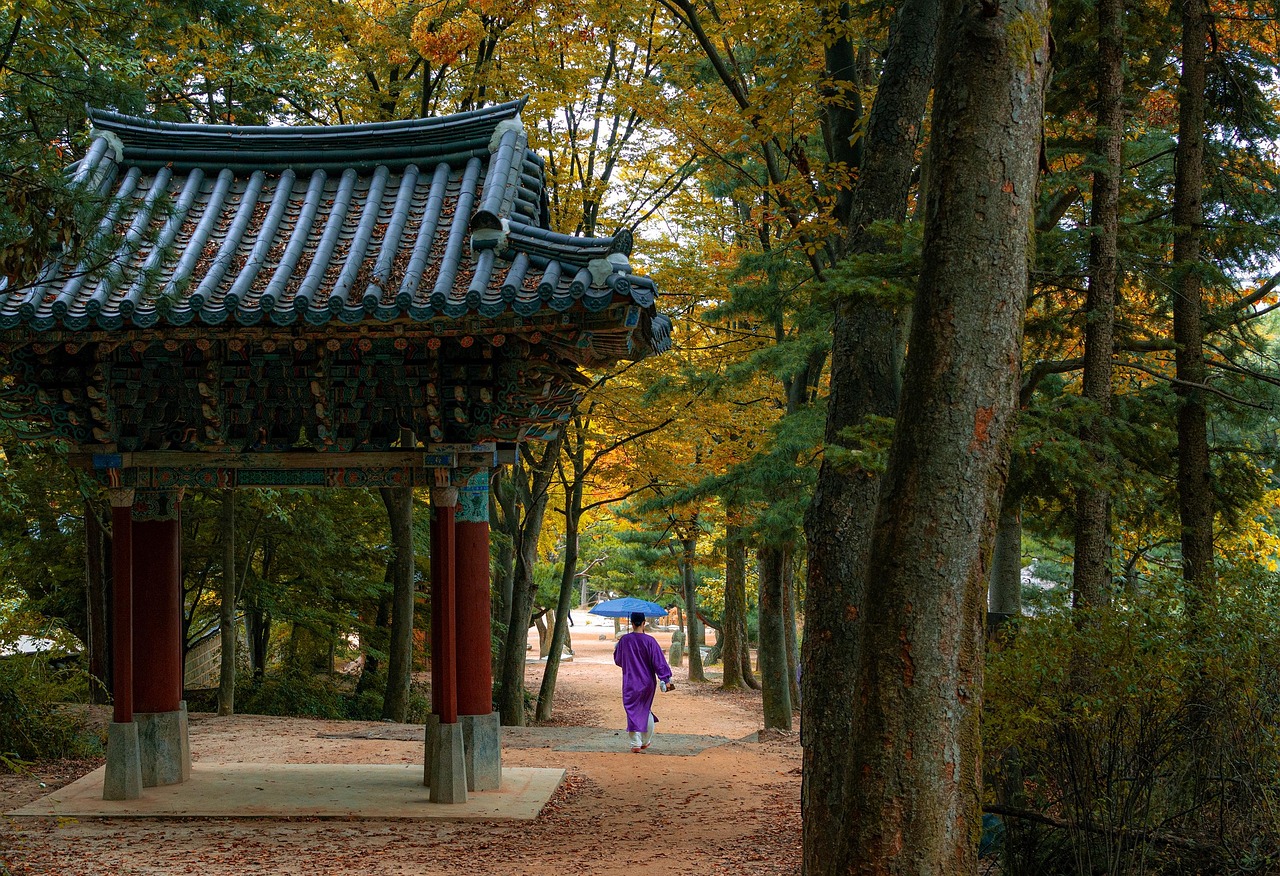
Korean philosophy is deeply rooted in the country's history, offering a unique lens through which to understand the values and societal structures that have shaped Korea. When examining traditional Korean values, family, society, and government stand as pillars that reflect the nation's cultural journey. Learning about Korean history, specifically the ancient and dynamic eras, provides essential context for these values.
The family unit held immense significance in ancient Korea, with the Silla and Goguryo Dynasties emphasizing filial piety and familial relationships. This extended to societal structures, where the concept of yanggak (gender roles) dictated societal norms, fostering a sense of order and stability. The government, as reflected in the Sejong the Great's reign during the Jaseon Dynasty, prioritized the welfare of its citizens through innovative policies and the creation of Hangeul, the Korean alphabet. This era showcased the fusion of Confucian principles with Korean cultural elements, a theme that permeates Korean philosophy.
As Korea navigated geopolitical shifts, including the Japanese Occupation and the subsequent resistance movements, the values of family and society remained resilient. The nangnyang (a traditional Korean folk art) and pansori (a form of Korean opera) continued to thrive, showcasing the cultural spirit and identity of the people. In modern times, these traditional values have evolved while retaining their core principles. The emphasis on family has given way to a broader view of community, while the respect for government and its role in society remains a cornerstone of Korean cultural discourse. Certified Korean history educators play a vital role in passing down these insights, ensuring that the nation's rich cultural heritage and philosophical foundations are preserved and understood for future generations.
Dynamic Changes: Modern Influences on Korean Philosophy
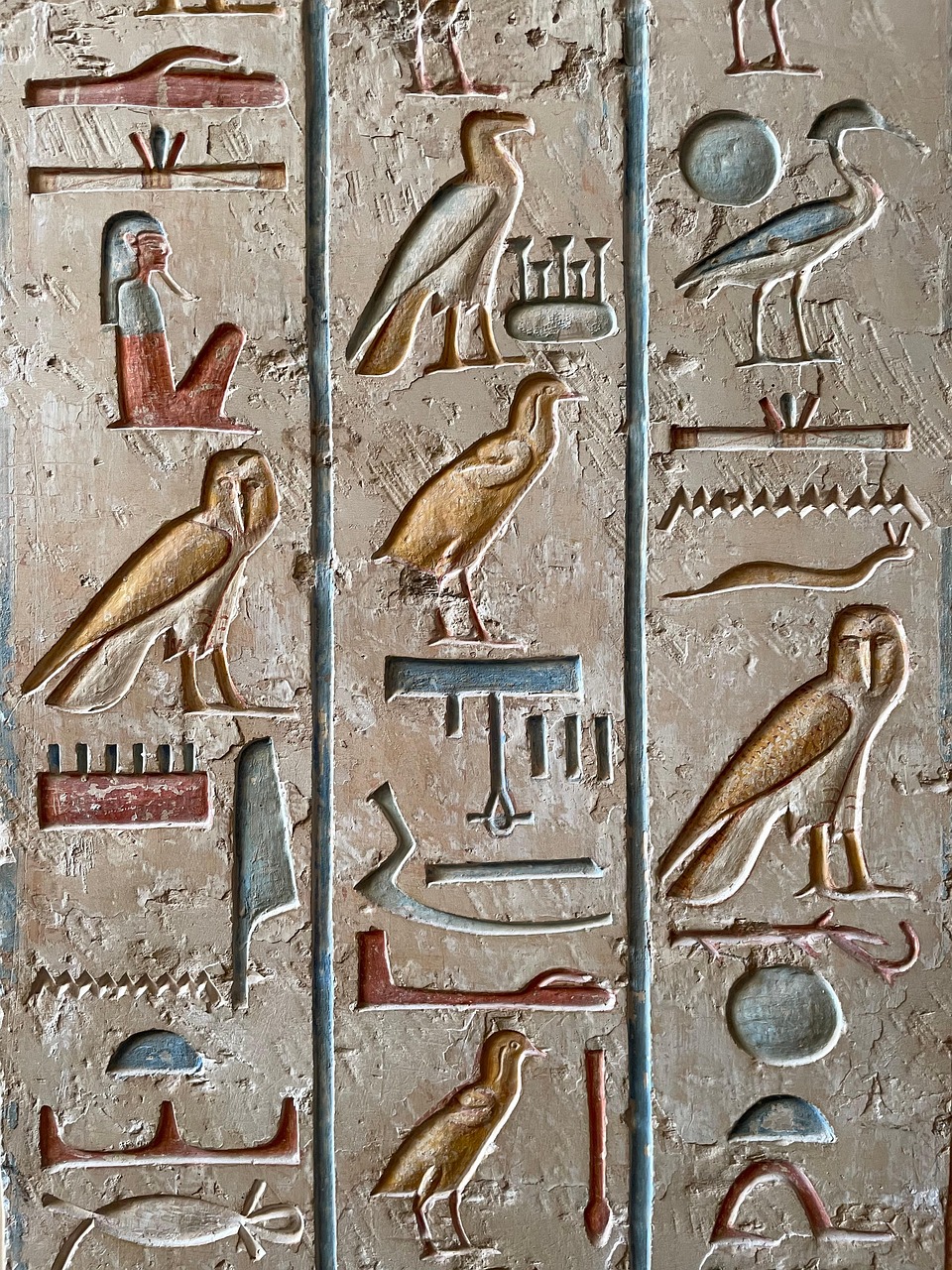
Korean philosophy has evolved dramatically over centuries, shaped by the nation's rich history and dynamic cultural exchanges. As you learn about Korean history, Korea's interactions with neighboring civilizations, especially China and Japan, played a significant role in the development of philosophical thought. The Goryeo Dynasty, for instance, not only witnessed advancements in metalworking techniques but also absorbed influences from Buddhist philosophies prevalent in China during the 10th and 11th centuries.
Modern influences have further transformed Korean philosophy, reflecting the nation's rapid development and engagement with the global community. The 20th century brought about significant social and political changes, with the Korean War dividing the peninsula and shaping distinct cultural narratives on both sides. This historical context fueled the emergence of unique philosophical movements, such as the re-examination of traditional values and the exploration of post-colonial identities. Professional Korean history consultants have played a vital role in preserving and interpreting the nation's complex past, making emergency Korean history lessons near me accessible to a wider audience.
The evolution of Korean cuisine through history is another sign to the country's dynamic cultural landscape. As food practices are deeply intertwined with philosophical and social beliefs, culinary traditions have reflected the ebb and flow of Korean history. The popularity of bibimbap, a dish that combines various vegetables, meat, and gochujang (chili paste), can be traced back to the Joseon Dynasty, reflecting the nation's agricultural heritage and the philosophy of balancing flavors. As Korea continues to engage with the world, these culinary and philosophical traditions adapt and evolve, showcasing the nation's ability to blend tradition with modernity.
Incorporating these modern influences, Korean philosophy today remains vibrant and diverse. It invites exploration not only through historical texts and archaeological sites but also in contemporary art, literature, and popular culture. By examining these various aspects, learners can gain a deeper appreciation for the intricate mix of Korean history and its enduring philosophical traditions.
Key Thinkers: Exploring Korean Philosophical Figures
Korean philosophy boasts a rich mix woven into the fabric of its history, with key thinkers who have shaped not only intellectual thought but also societal values and practices. To truly understand Korean philosophy, one must examine its historical context, learning about the times in which these thinkers lived and the challenges they faced. This offers a deeper perspective on their contributions, from ethical codes to political theories.
Consider, for instance, Sejong the Great, a king of the Joseon Dynasty who, besides establishing the Hangeul writing system, left a significant mark on Korean philosophical thought. His reign, lasting from 1418 to 1450, witnessed a flourishing of arts and sciences, with scholars like Jung In-jik promoting the study of Confucian classics and their application to governance. This era provides an excellent emergency Korean history lesson for understanding the philosophical climate of the time, as it highlights the interplay between political leadership and intellectual development.
Another pivotal figure is Daejong, a Buddhist monk known for his profound contributions to Korean Buddhism. His teachings emphasized the importance of compassion and moral conduct, reflecting a deep understanding of human nature and society. These philosophical insights, coupled with his role in the spread of Buddhism throughout Korea, make him a key figure in the country's intellectual history. Exploring these thinkers' lives and legacies offers an affordable and accessible way to learn about Korean history Korea and its philosophical depth.
Local events and institutions also provide opportunities to engage with Korean philosophy. This weekend, for example, nearby cultural centers might host discussions on traditional Korean medical practices, where you can learn about the integration of philosophy and medicine in ancient Korea. These events offer a chance to interact with experts and enthusiasts, providing insights that complement your independent study. By actively participating in these Korean history events, you gain a richer, more nuanced understanding of the philosophers and their enduring impact on Korean culture.
Cultural Practices: Rituals and Their Philosophical Underpinnings
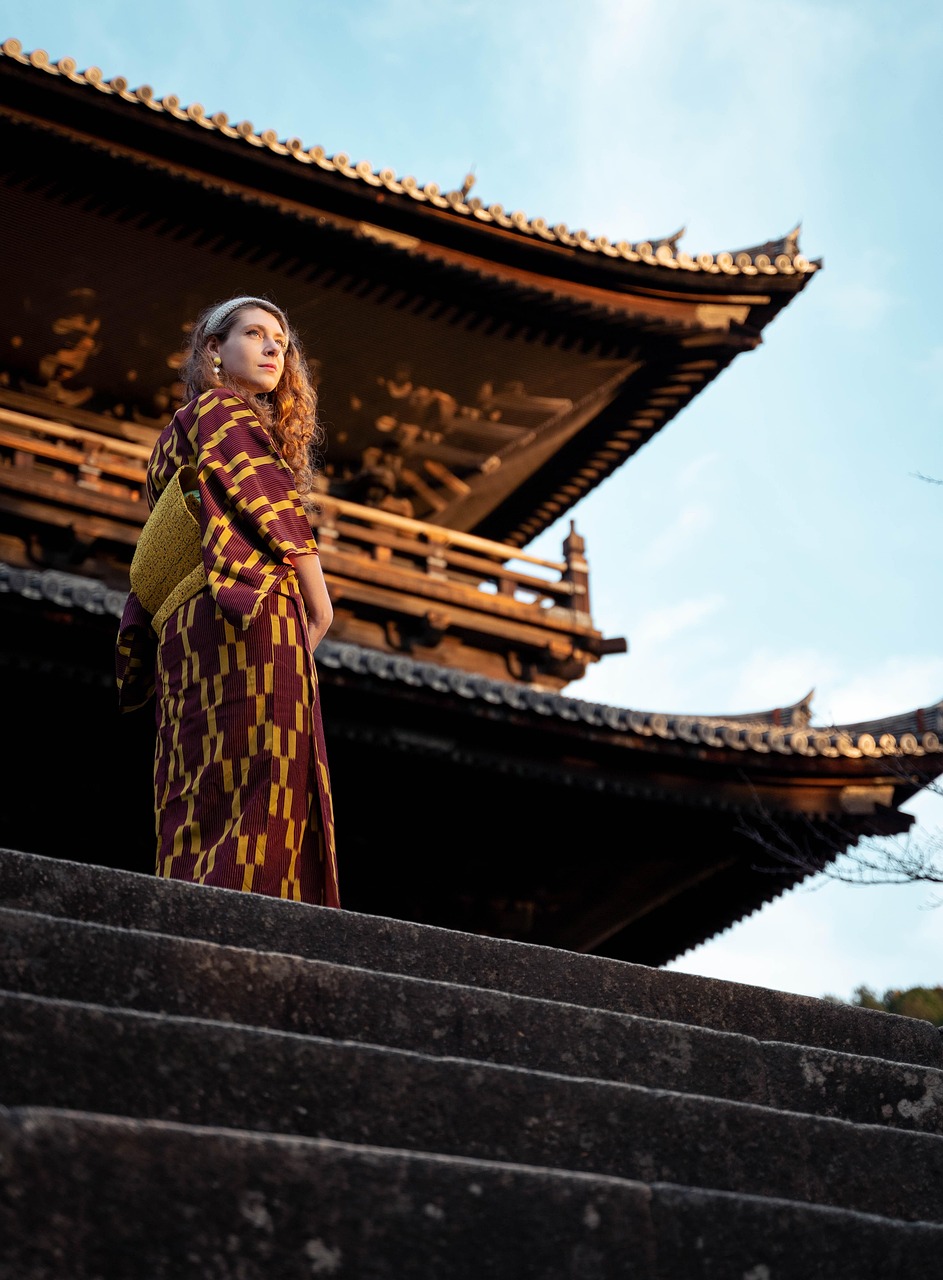
Korea's philosophical depth is revealed through its cultural practices, where rituals become gateways to understanding the nation's historical values and beliefs. Learning about Korean history Korea, from its ancient civilizations to modern times, shows how these rituals have evolved, reflecting the dynamic nature of Korean society.
One of the most tangible aspects of Korean philosophical life is food. The evolution of Korean cuisine through history is a sign of its cultural practices. The preparation and sharing of bibimbap (mixed vegetables with rice and gochujang) or kimchi (fermented vegetables) involve more than just sustenance; they are communal rituals that strengthen family and social bonds. These meals often commence with a moment of silence, a gesture that encourages mindfulness and gratitude, echoing the Confucian value of respect for elders and the importance of community. Exploring Korea's historical villages, many of which are still home to traditional Korean households, offers a glimpse into these practices in their authentic setting.
Beyond the dining table, Korean philosophy permeates daily life through various rituals. The seonbi, or scholars of the past, dedicated their lives to studying and teaching Confucian principles, their calligraphy mastery a ritualized expression of discipline and virtue. Similarly, traditional acupuncture and herbal remedies are not just medical practices but rituals that honor the balance between yin and yang, a fundamental concept in Korean philosophical thought. These rituals, deeply ingrained in Korean culture, offer a lens through which to understand the country's historical values, beliefs, and societal structures.
As you examine deeper into Korean history, you'll discover that these rituals have not remained static. They have adapted and transformed, reflecting the country's interactions with other cultures and its internal political shifts. Top-rated Korean history books for beginners can serve as valuable guides, offering insights into the intricate mix of rituals and their philosophical underpinnings. By exploring these cultural practices, you gain a profound appreciation for Korea's rich heritage and the enduring influence of its philosophical traditions.
Global Perspective: Korean Philosophy's Global Impact
Korean philosophy has had a profound impact on global thought and cultural exchange, leaving an indelible mark that extends far beyond the borders of Korea. To truly understand its influence, one must examine the rich mix of Korean history, which serves as the fertile ground from which these philosophical ideas emerged. Learning about Korean history Korea reveals a unique blend of dynamic dynasties, cultural innovations, and global interactions that have shaped philosophical perspectives worldwide.
One of the best-kept secrets of Korean history lies in the development of its writing system, Hangeul, created during the Joseon Dynasty. This innovative script, designed for the masses, facilitated literacy and became a cornerstone of Korean cultural identity. The global impact? Hangeul has inspired other writing systems around the world, demonstrating Korea's philosophical contribution to communication and accessibility. The same-day Korean history museum visits, while not a traditional approach, offer a modern way to immerse oneself in this rich heritage, providing a tangible connection to Korea's past.
Korean philosophy's global reach extends to its art and architecture, which have left their mark on international art markets. The iconic Buddhist art from the Goryeo Dynasty, for instance, has captivated audiences worldwide, showcasing the intricate craftsmanship and profound spiritual themes that have inspired artists for centuries. This cultural exchange is not a one-way street; Korean art has been influenced by global trends, further enriching its philosophical dialogue. As certified Korean history educators, we can attest that understanding these connections is key to achieving a deeper appreciation of Korea's philosophical contributions and their lasting impact on the world stage.
Frequently Asked Questions About A Beginner's Guide to Understanding Korean Philosophy
What is Korean Philosophy? Is it distinct from other Eastern philosophies?
Korean philosophy has a rich history dating back to ancient times, evolving through various periods. It is indeed distinct yet also deeply connected to other Eastern philosophies, especially those of China and Japan. Korean thought has unique characteristics, such as an emphasis on harmony with nature, a strong focus on ethics and morality, and the belief in the inherent goodness of humans. These principles are reflected in core schools of thought like Confucianism, Taoism, and Buddhism, which have had a profound impact on Korean society and culture.
Can you briefly describe the key influences on Korean philosophy?
Korean philosophy is a mosaic of influences, primarily from three main sources: China (Confucianism, Daoism), India (Buddhism), and indigenous beliefs. Early Korean philosophers adapted and synthesized these influences to create a distinct philosophical framework. Over time, Korean thought developed its own unique expressions, with notable movements like Neo-Confucianism in the Joseon Dynasty period, which emphasized self-cultivation and social harmony.
What are some core concepts in Korean philosophy?
Core concepts include sinsa (thought/mind), jeol (principle/nature), in (humanity/human nature), yaksok (aspiration/striving), and jeong (human relationships/empathy). These concepts are interwoven, reflecting a holistic view of the world where individuals are connected to society, nature, and the universe as a whole. Understanding these concepts is crucial for examining deeper into Korean philosophical thought.
How does Korean philosophy view the relationship between humans and nature?
Korean philosophy deeply values harmony with nature, viewing it as an essential aspect of human existence. This is reflected in the belief that humans should live in balance with the natural world, respecting and understanding their place within it. This relationship is often described as symbiotic, where humans must act responsibly to preserve and nurture the environment for their own well-being and the well-being of future generations.
What are some practical applications of Korean philosophy in modern life?
Despite its ancient origins, Korean philosophy offers valuable insights for modern life. Its emphasis on self-reflection, ethical conduct, community harmony, and respect for nature provides a framework for cultivating inner peace and living a fulfilling life. The core values of Korean philosophy can guide individuals in making ethical decisions, fostering meaningful relationships, and contributing to a more just and sustainable society.
As we've explored the depths of Korean philosophy, one thing becomes abundantly clear: understanding this unique and rich intellectual tradition requires a deep examine its historical context. By learning about Korean history, Korea, from the ancient civilizations of Silla and Goguryo to the modern era, we gain invaluable insights into the core concepts that have shaped its philosophical landscape.
Buddhism and Confucianism, two dominant forces, have deeply influenced Korean thought, with values like family, societal harmony, and government ethics taking center stage. However, dynamic changes, from the invention of Hangeul to the political shifts across the 38th Parallel, have continuously redefined Korean philosophy.
Figures like Sejong the Great and figures from resistance movements during Japanese Occupation have left indelible marks, showcasing the resilience and adaptability of Korean intellectual traditions. The cultural practices, from calligraphy to pansori, are not just art forms but vehicles for philosophical expression and transmission.
Global perspectives highlight Korean philosophy's growing impact, with its emphasis on balance, respect for nature, and communal living resonating worldwide. Moving forward, exploring these themes offers practical applications: from integrating traditional medicinal practices to embracing the art of mindfulness in daily life. By examining the history and philosophy, we achieve a wealth of knowledge that not only enriches our understanding of Korea but also offers timeless insights for personal growth and global harmony.
Understanding Korean philosophy requires exploring its rich history, from ancient civilizations to modern times. Key influences include Buddhism and Confucianism, which have shaped society, art, and political structures. Learn about Korean history Korea to uncover the spiritual and intellectual evolution, from the Silla and Goguryo dynasties to the invention of Hangeul and its impact on education. Geopolitical experiences, like the Korean War, have also influenced philosophical perspectives.
Immersive experiences like local Korean history lessons and tours provide valuable insights into the nation's spirit and resilience. By engaging with cost-effective workshops, reading reviews, and exploring modern interpretations, learners can gain a deep appreciation for the dynamic interplay between history and philosophy in Korea. This journey reveals a unique blend of cultural heritage, global influence, and adaptability, offering a rich context for understanding Korean philosophical traditions.