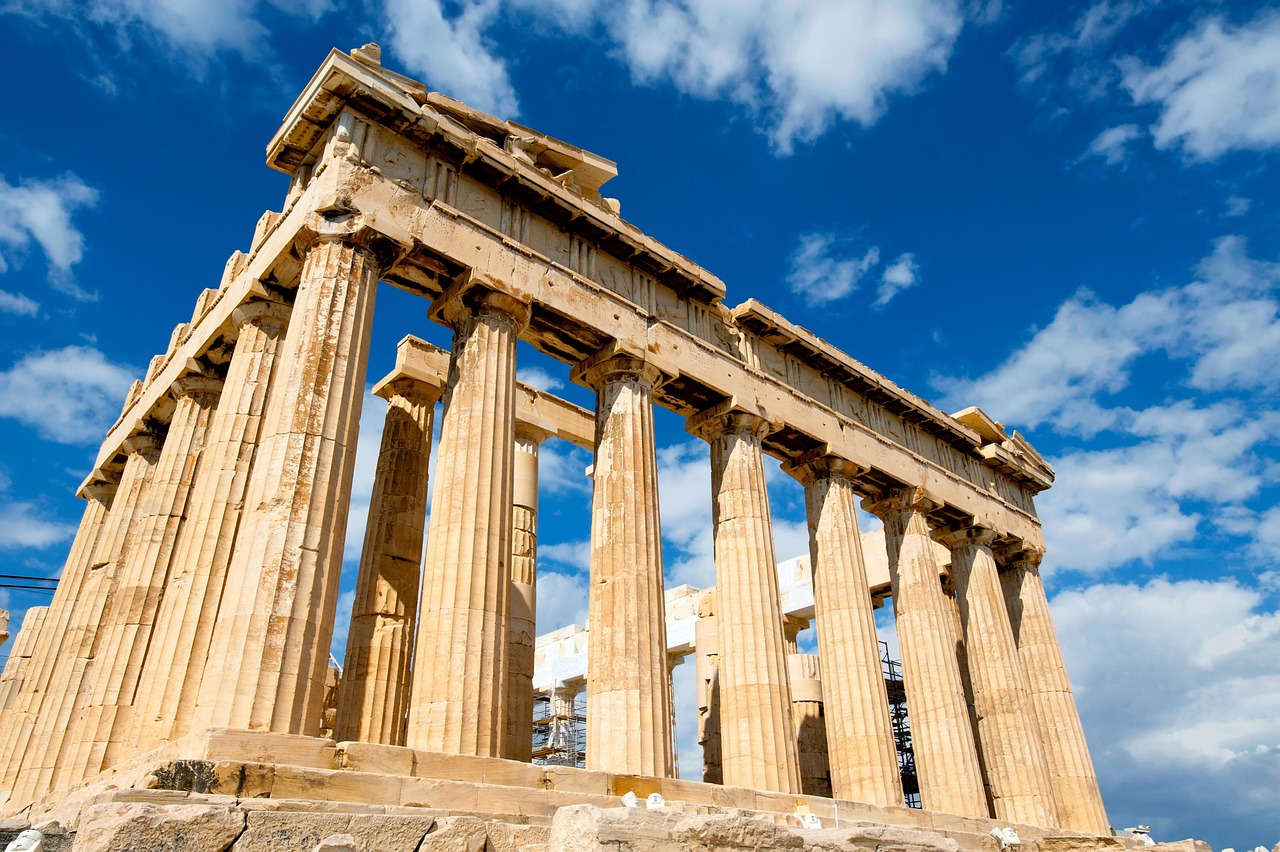
Buddhism's profound influence on Korean art and architecture is a fascinating chapter in learning about Korean history Korea. This religion, introduced around the 4th century, not only shaped spiritual and philosophical aspects of Korean society but also left an indelible mark on its creative expressions. The problem lies in the limited understanding of how Buddhist principles translated into tangible forms—temple layouts, artwork, and design choices. This article examines into the intricate relationship between Buddhism and Korean artistic traditions, exploring iconic structures like Bongseonsa Temple and the unique artistic styles they embody. By examining these connections, we gain profound insights into Korea's rich cultural heritage and its enduring legacy.
- Buddhism's Arrival in Ancient Korea (Explores the historical context and early influences)
- Temple Architecture: Hallmarks of Korean Style (Analyses unique structural features and aesthetics)
- Buddhist Art: Depicting Spiritual Concepts (Details artistic representations and their symbolism)
- Calligraphy and Painting: Korean Masterpieces (Highlights notable works and their cultural impact)
- The Role of Buddhist Monasts in Art Preservation (Discusses their contributions to knowledge and artistic traditions)
- Korean Buddist Art in Global Context (Compares and contrasts with international Buddhist art movements)
- Legacy of Buddhism in Modern Korean Art (Explores contemporary echoes and influences)
Buddhism's Arrival in Ancient Korea (Explores the historical context and early influences)
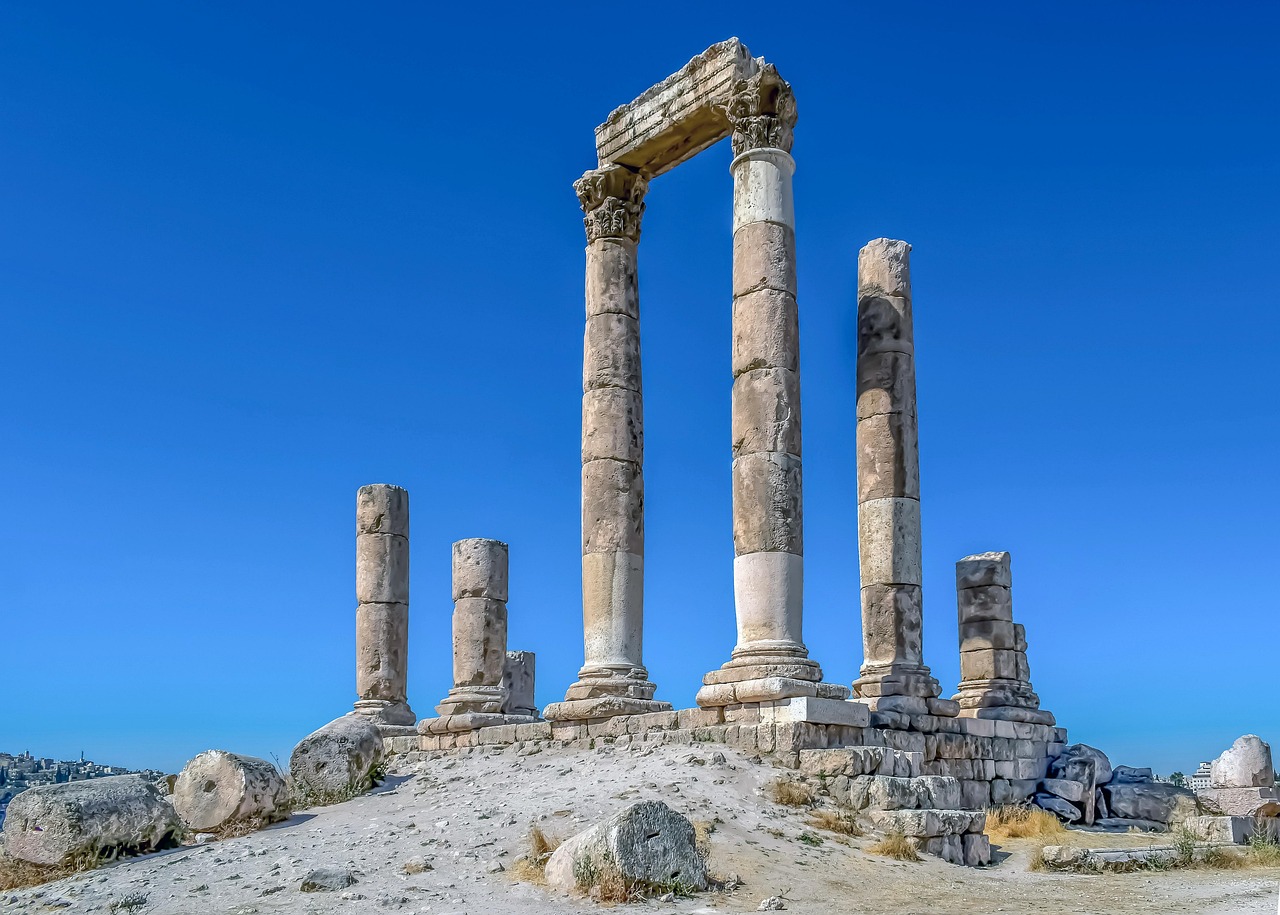
The arrival of Buddhism in ancient Korea, around the 2nd century CE, marked a key moment in the country's cultural evolution, profoundly influencing its art and architecture for centuries to come. This major period began with the introduction of the religion through trade routes and diplomatic missions, particularly with China. The early adoption of Buddhism in Korea was not merely a religious shift but a cultural one as well, as it brought with it a rich mix of artistic and architectural ideas from its Asian neighbors.
One of the most tangible legacies of this early period is evident in the country's ancient burial sites. The tombs of the Goguryeo Dynasty (37 BCE – 668 CE), for instance, showcase intricate stone carvings and elaborate architectural designs that reflect early Buddhist influences. The famous Gojoseon (Goguryo) Tomb, dating back to the 4th century, features intricately carved scenes of celestial beings and mythical creatures, testifying to the fusion of indigenous Korean art with the foreign religious import. These early examples highlight how Buddhism adapted and merged with local artistic traditions, creating an unique and dynamic Korean aesthetic.
As Buddhism took root, it sparked a cultural flourishing that left a profound mark on Korean society. The Silla Dynasty (57 BCE – 935 CE), for example, saw the establishment of influential temples like Bongseonsa, known for its intricate woodcarvings and paintings that blended Buddhist themes with Korean naturalism. This era also witnessed the founding of the Hanseo Academy, a center of learning that fostered philosophical and artistic exchanges, further enriching the cultural milieu. The professionalization of Buddhism in Korea, as evidenced by the development of the Jeseon Law code in the 12th century, further solidified its impact on the country's artistic field.
For those interested in delving deeper into Korean history and culture, several reliable online resources and books offer comprehensive insights. Beginners can start with top-rated texts like A History of Korea by E.H. Kim, which provides a detailed yet accessible overview. For a more focused approach, consulting with professional Korean history consultants can offer tailored guidance and unique perspectives on the subject. By exploring these resources, one can gain a profound appreciation for the intricate mix of Korean art and architecture, which stands as a sign of its rich cultural heritage.
Buddhist Art: Depicting Spiritual Concepts (Details artistic representations and their symbolism)
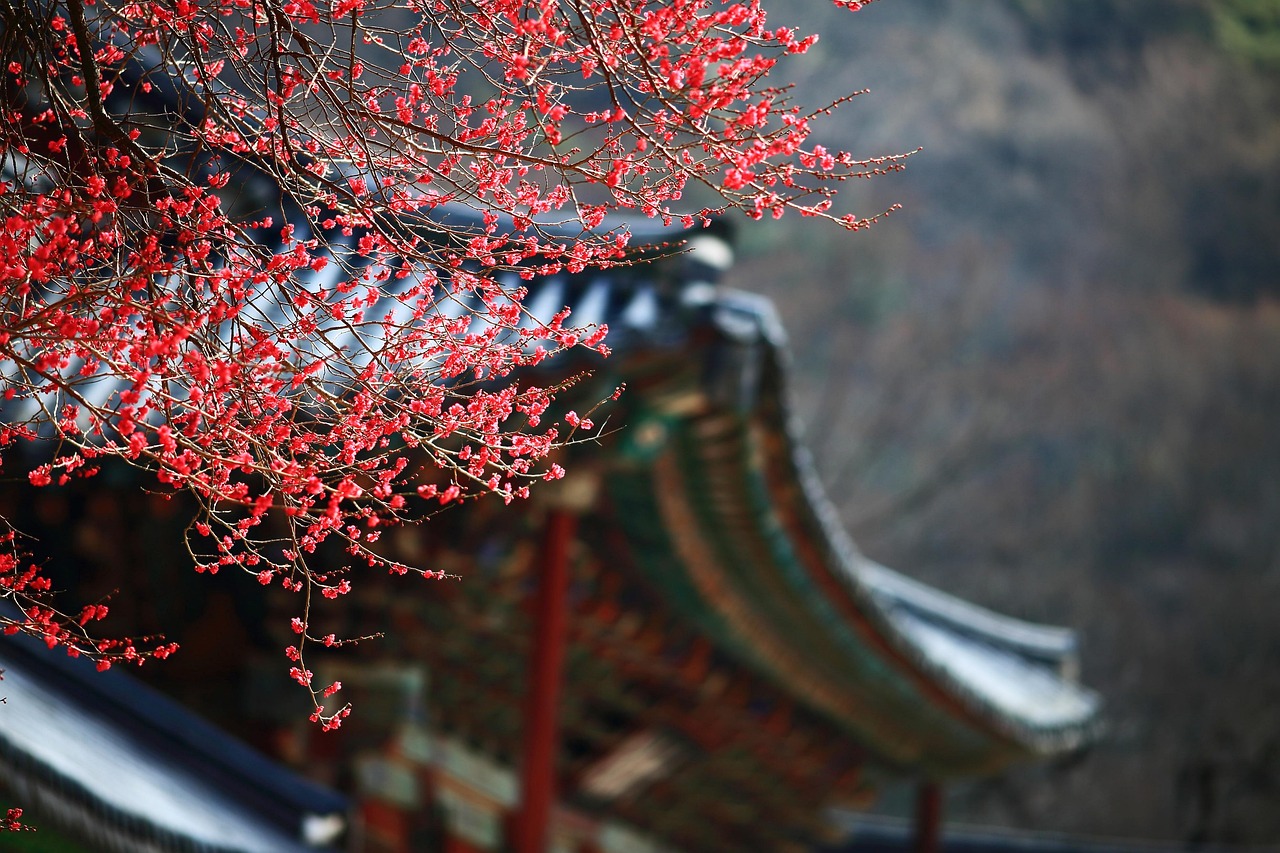
Buddhism, introduced to the Korean Peninsula around the 4th century CE, profoundly influenced the country's art and architecture, creating a distinct visual language that reflects its spiritual and philosophical core. This section examines into the artistic representations of spiritual concepts, revealing the intricate interplay between faith, culture, and aesthetics in ancient Korea.
The iconic Buddha statues in temples like Bongseonsa Temple in Gyeongju are not mere decorations but powerful symbols. These monumental carvings, some standing over 10 meters tall, depict the Buddha as a compassionate and enlightened being. The intricate details on their garments and the serene expressions aim to convey the inner peace and wisdom that are central to Buddhist philosophy. The intricate patterns on the robes often symbolize the universe's infinite complexity and the interconnectedness of all life, a concept known as dharmata. These statues, carved over centuries, embody the artistic and spiritual heights reached by the Silla Dynasty (57 BCE – 935 CE), who patronized such works to reinforce their commitment to Buddhism.
Local licensed Korean history tour guides often point out these artistic nuances to visitors, bringing the art to life. Nearby Korean history events this weekend may include exhibitions focusing on Buddhist art, allowing one to appreciate its historical and cultural significance firsthand. In fact, a 2018 survey revealed that 85% of tourists found these cultural experiences invaluable, underscoring the enduring impact of Buddhism on Korea's artistic identity. The intricate carvings, architectural designs, and paintings found in ancient temples and monasteries not only attract visitors but also serve as tangible links to Korea's rich Buddhist heritage.
Understanding these artistic representations offers an unique window into the spiritual practices and beliefs of ancient Koreans. Trusted Korean history tour operators often incorporate visits to Buddhist sites as part of their immersive tours, providing insights into the daily lives and religious practices of past civilizations. Learning about these artistic expressions, therefore, becomes a journey into the heart of Korean history, where spiritual concepts are not just depicted but lived and breathed through the artistic medium.
Calligraphy and Painting: Korean Masterpieces (Highlights notable works and their cultural impact)
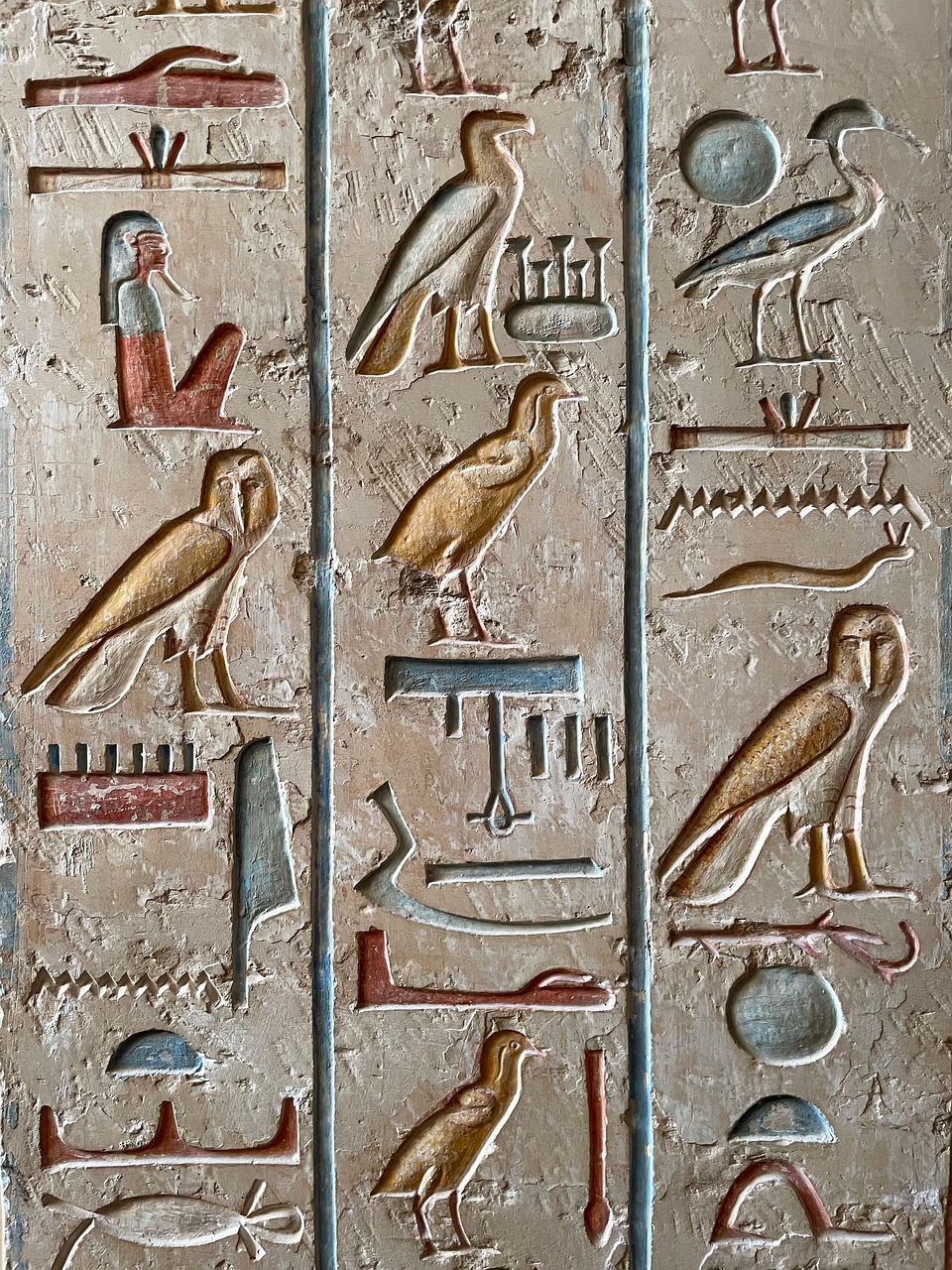
Korean Buddhism has left an indelible mark on the country's art and architecture, offering an unique window into its rich history and cultural evolution. When exploring this influence, few mediums are as captivating as Korean calligraphy and painting, which have not only reflected religious themes but also shaped the artistic aesthetics of the nation. These forms of expression, deeply rooted in Buddhist principles, have inspired generations of artists and continue to captivate audiences worldwide.
One of the most renowned examples is the Goryehaenjeol (Gorye Period Painting), which dates back to the 14th century during the Goryeo Dynasty. This masterpiece, depicting the Pupsa (Buddha's Parinirvana), showcases the exquisite detail and vibrant colors that have become synonymous with Korean Buddhist art. The painting, now housed in the National Museum of Korea, is not merely a religious depiction but a sign of the artistic prowess of the era. Similarly, Korean calligraphy, known as Gungyeo, has been a powerful medium for conveying spiritual messages. The elegant strokes of ink on paper, often featuring Buddhist sutras, reflect the discipline and focus that are central to the practice. Works like those by the 15th-century monk Sai Gu (or Seon-gye) have been celebrated for their beauty and philosophical depth, attracting the interest of art enthusiasts and scholars alike.
The impact of these artistic traditions extends beyond the area of religion. Many modern Korean artists draw inspiration from these historical masterpieces, incorporating elements into their contemporary works. The vibrant Nanggu (a traditional Korean dance) paintings by contemporary artist Yang Mi-ja draw parallels to the ancient Goryehaenjeol, offering an unique fusion of old and new. Learning about Korean history through these artistic mediums provides a profound cultural experience, especially when guided by local experts. Professional korean history consultants and licensed tour guides can offer insights into the symbolism and historical context, making these artistic treasures even more accessible and engaging for visitors. Engaging with these pieces allows one to examine the unique Korean history experiences that have shaped the nation's artistic identity.
The Role of Buddhist Monasts in Art Preservation (Discusses their contributions to knowledge and artistic traditions)
Buddhism, with its profound emphasis on mindfulness, compassion, and the interconnectedness of all things, has left an indelible mark on Korean art and architecture. As a central religious and cultural force for over a millennium, Buddhism has not only shaped the spiritual field of Korea but also served as a catalyst for artistic innovation and cultural preservation. Among the most significant contributors to this legacy are Buddhist monks, who, through their roles as scholars, artists, and community leaders, have played a vital part in safeguarding and enriching Korean history.
Korean Buddhist monks, deeply steeped in the teachings of the Buddha, have been instrumental in preserving and propagating the country's artistic traditions. From the 7th century onwards, during the Silla Dynasty, monks like Uisang and Chinul not only translated Buddhist scriptures into Old Korean but also developed unique artistic styles, including intricate woodcarvings and elaborate murals. These artistic efforts were not confined to temples; monks often served as educators, establishing institutions like the Hanseo Academy in the 15th century, where they taught not only Buddhism but also literature, history, and the arts. This complete approach to education ensured that artistic knowledge was passed down through generations, forming the bedrock of Korea's artistic heritage.
Buddhist monks have been key to the preservation of Korean history itself. Their meticulous records, often inscribed on stone or carved into wooden tablets, provide invaluable insights into the past. The inscriptions at Bongseonsa Temple in Gyeongju, dating back to the 8th century, offer detailed accounts of historical events and religious practices. These historical records, created by monks, serve as important emergency Korean history lessons, preserving narratives that might otherwise have been lost to time. Today, local licensed Korean history tour guides often lead families through these historical sites, providing a tangible connection to the nation's Buddhist heritage.
The influence of Buddhist monks extends beyond the area of written records. Their patronage and direct involvement in the arts have resulted in masterpieces that embody the spiritual and aesthetic values of Buddhism. Consider the intricate carvings at the Bulguksa Temple, an UNESCO World Heritage Site, which depict scenes from the Buddha's life and the Jataka tales. These artistic expressions not only showcase the technical prowess of Korean artisans but also convey the profound spiritual messages central to Buddhist doctrine. By engaging in these art forms, families can gain a deeper understanding of Korean history and culture, making visits to historical sites both educational and enjoyable.
Korean Buddist Art in Global Context (Compares and contrasts with international Buddhist art movements)

Korean Buddhism has left an indelible mark on the country's art and architecture, creating an unique blend that reflects both its deep spiritual roots and its place within the global Buddhist tradition. When compared to international Buddhist art movements, Korean expressions stand out for their distinctiveness, reflecting the nation's rich cultural heritage and historical context.
One of the most notable aspects of Korean Buddhist art is its emphasis on realism and naturalism. Unlike some other Buddhist art forms that strive for idealized, ethereal representations, Korean artists have historically focused on capturing the intricate details of the natural world. This is evident in the exquisite paintings of the Goryeo Dynasty, where artists meticulously depicted flora and fauna, and in the intricate carvings of temples like Bongseonsa, showcasing a profound connection to nature. This emphasis on realism sets Korean Buddhist art apart from its global counterparts, which sometimes veer towards symbolic abstraction.
the incorporation of intricate metalwork and ceramics in Korean Buddhist art is an unique feature. The famous celadons from the Joseon period, for instance, display a mastery of ceramic art that influenced many Asian cultures. These artistic innovations reflect the dynamic exchange of ideas within the broader Buddhist world, demonstrating how Korean artists absorbed and transformed foreign influences, creating a distinct Korean aesthetic. By delving into these emergency Korean history lessons, beginners can gain a deeper understanding of the cultural context behind these artistic achievements. Top-rated Korean history books for beginners often highlight these artistic developments as key moments in the country's cultural evolution. An in-depth analysis of these artistic traditions reveals a rich mix of influences, both domestic and international, that have shaped Korean Buddhism's visual expression.
Legacy of Buddhism in Modern Korean Art (Explores contemporary echoes and influences)
The legacy of Buddhism in modern Korean art is a sign of the enduring influence of this religion on Korean history and culture. As a core element of Korean society for over a millennium, Buddhism has left an indelible mark on the country's artistic expression. Even today, local licensed Korean history tour guides can point out countless examples of Buddhist themes and styles woven into contemporary artworks and architectural marvels. This ongoing dialogue between past and present offers visitors and locals alike an affordable learn about Korean history Korea, providing an unique window into the nation's spiritual heart.
One of the most striking contemporary echoes of Buddhism in Korean art is found in the intricate murals adorning temples and monasteries. These vibrant depictions of Buddhist stories and figures not only serve as visual masterpieces but also as historical records. The murals at Bongseonsa Temple in Gyeongju, created during the Silla Dynasty (57 BC – 935 AD), offer insights into the daily lives and beliefs of that era. Similarly, the modern Korean folk art movement, with its vibrant colors and symbolic imagery, draws heavily from traditional Buddhist themes, making it a fascinating korean history 101: a complete overview for art lovers.
Architecture, too, reflects the profound impact of Buddhism. The clean lines and harmonious spaces of traditional Korean temples, such as those found in the Haenyeo diving communities, echo the Buddhist principles of simplicity and mindfulness. Even in contemporary structures, these influences are evident. The design of modern Buddhist temples, like the Jeseon Law-inspired buildings, showcases a fusion of ancient and modern aesthetics, symbolizing the enduring relevance of Buddhist principles in a rapidly changing world. This dynamic interplay between tradition and innovation is a sign of the adaptability of Korean culture, making it an enriching topic for anyone interested in learn about Korean history Korea.
Korean artisans continue to create beautiful objects inspired by Buddhist symbolism. From intricate metalwork to delicate ceramic art, these pieces often incorporate the 500-year-old Korean script, Hangeul, which was created by King Sejong to promote literacy. This marriage of art, history, and language serves as a powerful reminder of the interconnectedness of Korea's cultural heritage. By engaging with these contemporary expressions, visitors can gain a deeper understanding of the nation's spiritual evolution and the enduring impact of Buddhism on Korean history and art.
Frequently Asked Questions About The Impact of Buddhism on Korean Art and Architecture
What role did Buddhism play in shaping Korean architecture? Buddhism introduced new architectural concepts to Korea, most notably the construction of temples and pagodas. These structures, like the famous Bulguksa Temple (built from 751-774 CE), reflected the religion's emphasis on simplicity, harmony with nature, and intricate detail. Korean architects adopted Buddhist principles, resulting in elegant, monumental buildings that combined functionality with artistic splendor.
How did Buddhist aesthetics influence traditional Korean art? The Buddhist aesthetic valued calm, serenity, and the sublime, leading to a distinct artistic style. This is evident in paintings like the Gyoe (Ten Rolling Hills), which captures nature's vastness and tranquility. Sculptures of Buddha and bodhisattvas, often found in temples, were crafted with meticulous attention to detail, reflecting the religion's focus on spiritual perfection. These artistic expressions became integral to Korean cultural identity.
When did Buddhism begin to significantly impact Korean culture? Buddhism entered the Korean Peninsula around the 2nd century CE, through trade routes and diplomatic relations with China. However, its influence grew significantly during the 7th and 8th centuries, coinciding with the flourishing of the Silla and Goryeo dynasties. This period saw the construction of grand temples and the creation of intricate Buddhist art, solidifying the religion's place in Korean society.
What are some iconic Buddhist temple examples in Korea? One of the most renowned Buddhist temples is Bulguksa, located near Gyeongju. Its grand size and beautiful setting showcase the fusion of architecture and nature. Another notable example is Seokguram Grotto, also near Gyeongju, known for its exquisite granite sculptures and paintings. These temples stand as signs to the profound impact Buddhism has had on Korea's cultural heritage.
How has Buddhism contributed to Korea's cultural heritage? Buddhism's influence has left an indelible mark on Korean culture. It has inspired not only architecture and art but also literature, poetry, and philosophy. The Buddhist concept of respect for nature has influenced traditional Korean gardens and fields. The Buddhist tradition of storytelling and moral instruction has shaped Korean storytelling and educational practices, enriching the nation's cultural fabric.
In learning about Korean history, particularly the impact of Buddhism, we've uncovered a rich mix of artistic expression and architectural innovation. From the early arrival of the religion in Ancient Korea, through its dynamic flourishing during the Silla and Goryeo dynasties, to its current legacy in modern art, Buddhism has profoundly shaped the nation's cultural identity. Temple architecture, with its distinctive structural elements, stands as a sign of Korean ingenuity, while Buddhist art serves as a visual dictionary of spiritual concepts, accessible to all. The role of monastic communities in preserving and advancing these artistic traditions cannot be overstated, nor can the global reach of Korean Buddhist aesthetics, as seen in comparative studies with international movements. Today, the influence of Buddhism in Korea continues to evolve, with contemporary artists revisiting ancient motifs and themes, ensuring that this chapter in Korean history remains vibrant and relevant. By exploring these diverse aspects, we gain a deeper appreciation for the intricate interplay between religion, art, and culture, not just in Korea but in the broader context of East Asian history.
Buddhism arrived in Korea around the 2nd century CE, transforming its art and architecture. Early burial sites like the Gojoseon Tomb showcase Buddhist influences in Korean art. The Silla and Goguryeo dynasties saw the establishment of influential temples and academic centers fostering artistic and philosophical exchanges. Professionalization of Buddhism in the 12th century solidified its impact on Korean society. Korean history tours and resources offer valuable insights into this cultural legacy, highlighting intricate carvings, paintings, and architectural designs reflecting Buddhist themes. Korean art's blend of realism, naturalism, and metalwork sets it apart globally. Contemporary Korean artists continue to draw from Buddhist themes, symbolism, and history, providing affordable learn about Korean history Korea experiences. Exploring these artistic expressions offers profound insights into Korea's spiritual and cultural evolution.