The Korean Education System, a cornerstone of Korean society, reflects the nation's rich history and cultural values. By learning about Korean history Korea, we gain insights into the evolution of education from ancient civilizations like Silla and Goguryo to the modern, technologically advanced system of today. However, understanding this system is fraught with challenges, from historical disparities to cultural influences that have shaped its unique features. This article offers a comprehensive historical overview, comparing the Korean education system with global models while highlighting its distinctive characteristics, such as the Hangeul alphabet's invention during the Joseon Dynasty. Through this exploration, we aim to demystify and deepen our understanding of education in Korea, providing valuable insights for both academic and cultural contexts.
- Historical Foundations: Education in Ancient Korea
- Colonial Influence: Japan's Impact on Korean Learning
- Post-Liberation: Rebuilding Education in Korea
- The Rise of Private Schools: A New Dynamic
- Standardization Efforts: National Curriculum Development
- Global Perspective: International Comparison & Trends
- Challenges & Reforms: Modern Korea's Educational Evolution
Historical Foundations: Education in Ancient Korea
The ancient Korean Peninsula, a melting pot of diverse civilizations, laid the groundwork for an education system that has evolved into a global model. To truly understand the modern Korean educational landscape, one must examine the historical roots that shaped its values and practices. Learning about Korean history, Korea offers a unique perspective on the development of education, from the early kingdoms to the dynamic periods of cultural exchange.
In the Silla and Goguryo Dynasties, education was a privilege primarily accessible to the elite and royalty. The concept of Hwarang, a youth military order, introduced structured learning, focusing on martial arts and Confucian values. This period also saw the establishment of Buan-gwan, the first known educational institutions, which served as centers for scholarly discourse and the preservation of knowledge. As the Goryeo Dynasty emerged, so did advancements in education, with a particular emphasis on literature, arts, and sciences. The invention of Hangeul, the Korean alphabet, by King Sejong the Great, revolutionized learning, making knowledge more accessible to the masses. This dynamic era also fostered the development of Gwan-gak, Buddhist temples that doubled as educational hubs, attracting scholars from across the region.
The cultural richness of ancient Korea, from its art to its philosophy, deeply influenced the educational philosophy of the time. Confucian principles, for instance, played a pivotal role in shaping the moral and ethical framework of education, with an emphasis on respect for elders, harmony, and community. The Nangnyang, a famous folk tale, exemplifies the blend of education and entertainment, teaching moral lessons through captivating narratives. As one explores these historical foundations, it becomes evident that the Korean educational system's emphasis on affordability, cultural relevance, and holistic learning has its roots in these ancient practices, making it a fascinating subject for those eager to learn about korean history, Korea's enduring educational legacy.
For those interested in an immersive experience, exploring these historical sites through korean history tours can offer a unique perspective. Trusted korean history tour operators provide insightful journeys, allowing visitors to walk in the footsteps of ancient scholars and royalty, while also enjoying the modern educational facilities that have built upon these historical foundations.
Colonial Influence: Japan's Impact on Korean Learning
The colonial era, marked by Japan's occupation of Korea from 1910 to 1945, left a profound and complex legacy on the Korean education system. This period, often referred to as a dark chapter in Korean history, witnessed the systematic effort by the Japanese to impose their educational and cultural norms on the Korean people. Exploring Korea's historical villages and same-day Korean history museum visits reveal the remnants of this era, offering valuable insights into its impact on education.
Japanese colonial rule aimed to assimilate Korea into their empire, which included a complete overhaul of the Korean educational structure. The existing system, deeply rooted in Confucian principles and traditional values, was replaced with a Japanese-style, Western-inspired education system. Textbooks were rewritten to promote Japanese cultural ideals, and the Korean language was suppressed, with Japanese becoming the medium of instruction. This period saw the rise of "Hye-gwon," a new type of school that combined traditional Korean education with Japanese-style instruction, reflecting the colonial government's attempt at assimilation.
The impact of this colonial influence is still felt today. Many of Korea's modern educational practices and institutions trace their origins back to this era. The structure of Korean universities and the emphasis on academic excellence can be traced to the Japanese model. However, the Korean people's resilience and resistance to foreign dominance also led to a revival of Korean culture and education. Secretly, Korean students continued to learn their language and history, preserving their cultural identity. This clandestine education played a crucial role in the nation's eventual liberation and the rebuilding of a strong, independent education system post-1945.
While exploring Korea's historical villages, visitors can discover traces of this struggle. Nearby Korean history events this weekend might include commemorations of resistance movements and the efforts of scholars who secretly taught Korean history, ensuring its survival. Understanding this historical context is essential when learning about Korean history in Korea, as it highlights the resilience of the Korean people and the enduring power of education in the face of adversity.
Post-Liberation: Rebuilding Education in Korea
After the Korean War, the country faced a monumental task: rebuilding its education system. This period marked a significant turning point in Korean history, as the war's devastation left a deep impact on society, including education. Learn about Korean history Korea reveals a resilient nation that prioritized education as a cornerstone of its post-war recovery.
Certified Korean history educators played a pivotal role in this reconstruction. They worked tirelessly to rebuild schools and develop curricula that focused on both academic excellence and cultural restoration. The curriculum emphasized the study of Korean history, literature, and art, ensuring that future generations would understand and appreciate their cultural heritage. The introduction of Hangeul, the Korean alphabet, during the Joseon Dynasty, became a cornerstone of education, fostering literacy and cultural identity.
The post-liberation era also witnessed the evolution of Korean cuisine through history, as food became an essential part of the educational narrative. Schools incorporated traditional Korean dishes like kimchi and bibimbap into school lunches, promoting not only nutrition but also cultural awareness. Professional Korean history consultants were engaged to design educational programs that blended historical knowledge with practical skills, ensuring students were well-rounded and prepared for a modern society. This holistic approach to education left a lasting impact, shaping a generation that values both academic achievement and cultural preservation.
The Rise of Private Schools: A New Dynamic
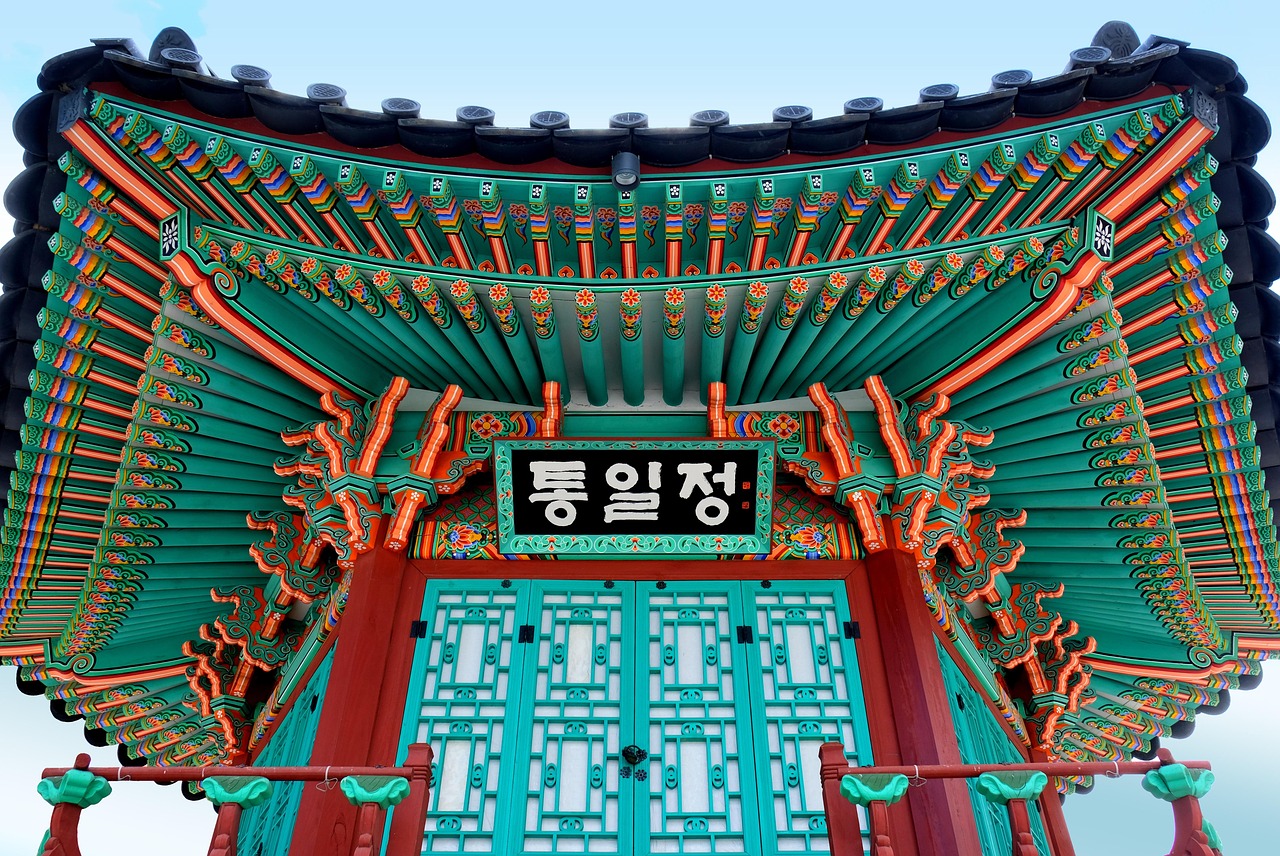
The rise of private schools in modern Korea is a fascinating chapter in the country's educational evolution, reflecting both historical influences and contemporary dynamics. As Korea's history teaches us, education has been a cornerstone of societal development, with the country's traditional education system once heavily influenced by the neighboring Chinese model. However, the late 20th and early 21st centuries witnessed a significant shift as private schools began to gain traction, offering an alternative to the public education system. This new dynamic is not merely about competition; it's a sign of Korea's adaptability and the ever-changing landscape of learning.
Exploring Korea's historical villages can provide valuable insights into this evolution. The ancient Silla Dynasty valued education, fostering a learning environment that nurtured the arts and philosophy. Fast forward to the modern era, and private schools are now known for their focus on STEM subjects, language skills, and extracurricular activities. This shift has been driven by several factors, including the desire for specialized education, the increasing importance of global competitiveness, and the rising costs of public education. Many private schools offer advanced programs, smaller class sizes, and tailored learning experiences, attracting students and their families with diverse educational goals.
The same-day Korean history museum visits are not just educational; they also highlight the country's rich cultural heritage. By immersing oneself in these historical narratives, one can better understand the roots of Korea's educational system and its evolution over time. The evolution of Korean cuisine through history mirrors this educational transformation, with traditional practices like calligraphy mastery and metalworking techniques becoming integral parts of the private school curriculum. This blend of tradition and innovation ensures that Korea's educational system remains dynamic and relevant, shaping the minds of a new generation while preserving its cultural identity.
Standardization Efforts: National Curriculum Development
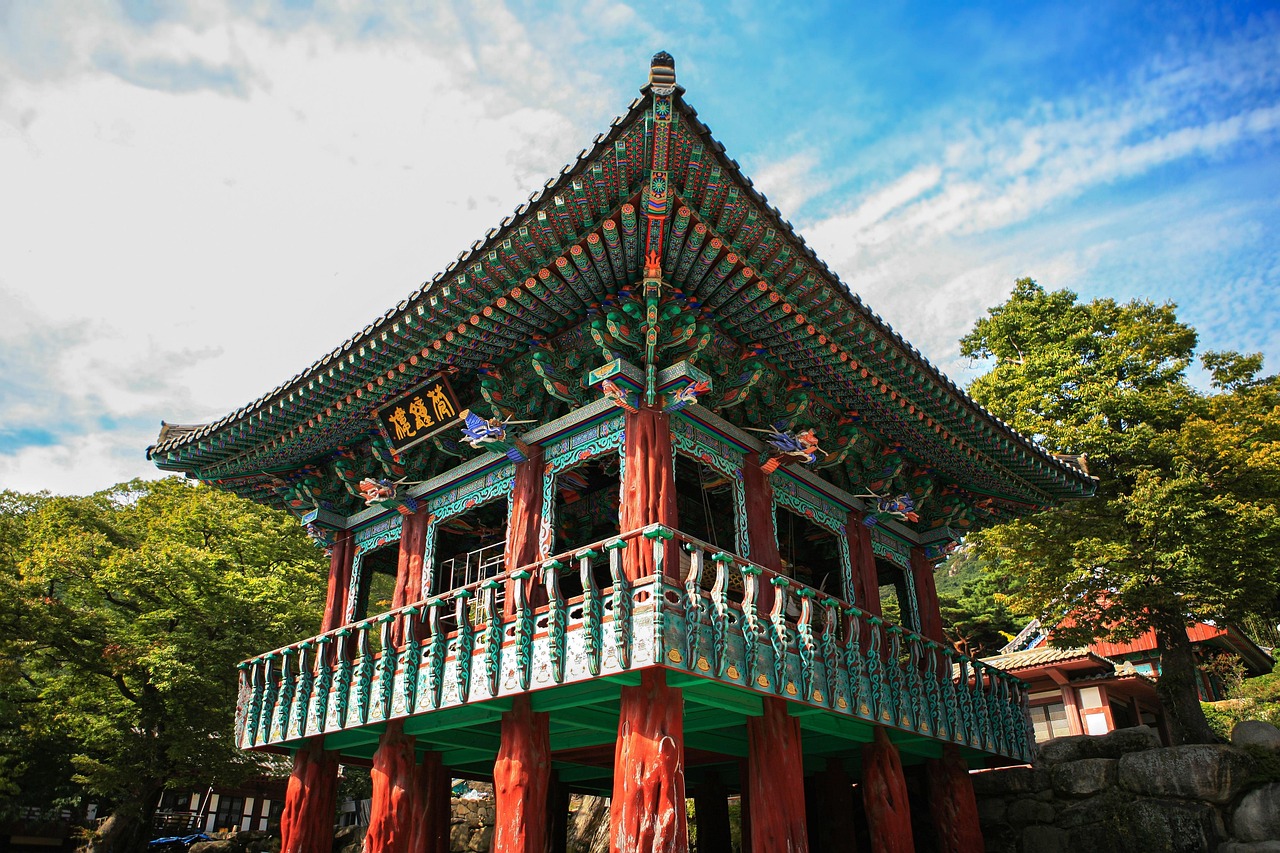
The Korean education system has a rich history shaped by unique cultural and political experiences, which has led to a robust and standardized national curriculum. As a nation with a long tradition of valuing education, Korea has made significant strides in developing a comprehensive and uniform educational framework. This focus on standardization has been a cornerstone of the country's educational success, ensuring a quality learning experience for all students, regardless of their socio-economic backgrounds.
The development of the national curriculum in Korea is a sign of the country's commitment to learning about Korean history Korea and integrating it into modern education. Experienced Korean history researchers have played a pivotal role in designing curricula that not only teach academic subjects but also instill a sense of national identity and cultural pride. This approach ensures that students gain a deep understanding of their heritage while acquiring essential skills for the modern world. The curriculum incorporates the study of ancient dynasties like Silla and Goguryo, highlighting the nation's ancient philosophical and artistic traditions.
Standardization efforts in Korean education involve a rigorous process of curriculum development, revision, and evaluation. The Ministry of Education plays a central role in this process, ensuring that the content is relevant, accurate, and aligned with the country's evolving needs. This includes incorporating modern inventions and discoveries while preserving traditional knowledge. The introduction of Hangeul, the Korean alphabet, in the 15th century, was a significant innovation that revolutionized literacy and remains a cornerstone of the educational system today. This balance between tradition and modernity is a unique aspect of Korea's educational philosophy, making it an affordable and accessible way to learn about Korean history Korea.
Global Perspective: International Comparison & Trends
In learning about Korean history, Korea has emerged as a fascinating case study for global educators and policymakers, offering insights into a unique educational journey shaped by its dynamic cultural heritage. When comparing the Korean education system to international standards, several key trends and differences come to the forefront. Historically, the emphasis on education in Korea has evolved alongside its rich cultural and political developments, as evidenced by the ancient civilizations of Silla and Goguryo, where scholars like Buan-gwan and Hwarang played pivotal roles.
Over time, the Korean education system has undergone significant transformations, especially during the dynamic dynasties of Sejong the Great and the Jaseon Dynasty, which promoted the creation of Hangeul and fostered a culture of learning. This period saw the rise of influential figures like Hye-gwon, who contributed to metalworking techniques, and Seonggyo, known for their advancements in medicine. These historical milestones highlight Korea's commitment to knowledge and innovation, which continues to shape its educational philosophy. The country's education system has attracted global attention, with local licensed Korean history tour guides and professional consultants playing a crucial role in sharing this rich heritage with the world.
International comparisons reveal a robust Korean educational model characterized by high literacy rates, strong academic performance, and a unique blend of traditional and modern teaching methods. However, it is essential to consider the context in which this system has developed. The division of Korea at the 38th Parallel, for instance, has influenced educational practices on both sides, leading to distinct approaches and curriculums. The country's history of resistance movements during the Japanese Occupation and its subsequent recovery post-Korean War have contributed to a resilient and adaptable educational framework.
As Korea continues to engage with the global community, its educational system serves as a sign of the power of cultural integration and innovation. By examining the in-depth analysis of Korean history, educators worldwide can gain valuable insights into creating inclusive, culturally rich, and effective learning environments. This historical perspective encourages a deeper understanding of the trends and practices that have shaped Korea's educational landscape, fostering a global dialogue that enriches educational strategies worldwide.
Challenges & Reforms: Modern Korea's Educational Evolution
The Korean education system has undergone significant transformations since its early beginnings, shaped by the country's rich history and evolving needs. As modern Korea continues to advance, the educational landscape has been met with new challenges and has required innovative reforms to stay relevant and accessible. Understanding these developments is crucial for anyone looking to learn about Korean history Korea and its present-day academic culture.
One of the primary challenges in the Korean education system today is ensuring affordability and accessibility. With the rising cost of living and education, making learning accessible to all has become a pressing issue. To address this, the government has implemented various initiatives, such as providing financial aid and scholarships, to support students from disadvantaged backgrounds. The "Affordable and Quality Education Project" aims to reduce the financial burden on families by offering tuition discounts and waiving fees for low-income families. These efforts reflect a growing understanding that an affordable learn about Korean history Korea should be available to all, regardless of socioeconomic status.
Emergency korean history lessons near me have become a topic of increasing interest as the demand for flexible learning options grows. The traditional classroom setting may not always suit modern students' needs or lifestyles. To cater to this demand, online platforms and mobile applications have emerged, offering interactive and accessible ways to learn about Korean history Korea. These digital tools provide flexibility and convenience, allowing individuals to study at their own pace and from any location. The popular app "Korean History 101" offers bite-sized lessons and quizzes, making historical knowledge accessible for free, anytime, and anywhere. By embracing these modern innovations, the Korean education system is demonstrating its adaptability and commitment to reaching a wider audience.
Reforms have focused on integrating cultural and historical elements into the curriculum to promote a deeper understanding of the country's heritage. This approach not only enhances the learning experience but also fosters a sense of national identity and pride. Incorporating stories from Korean folklore and historical figures into lessons can make history more engaging and relatable for students. By learning about Korean history Korea in this context, students can develop a stronger connection to their cultural roots while acquiring essential academic skills. These reforms reflect a holistic view of education, recognizing the importance of both academic excellence and cultural preservation.
Frequently Asked Questions About Korean Education System: A Historical Overview and Comparison
What is the structure of the Korean education system?
The Korean education system follows a structured, hierarchical path. It consists of preschool, elementary school (6 years), middle school (3 years), high school (3 years), and university (4 years for undergraduate). This system is known for its rigorous academic standards and emphasis on memorization and test scores, aiming to prepare students for competitive higher education and career paths.
How has the Korean education system evolved historically?
The system has undergone significant changes over time. Post-Korean War, education was focused on reconstruction and literacy. In the 1970s, the government implemented policies to centralize and standardize education, emphasizing academic excellence. The 21st century brought reforms to promote creativity, critical thinking, and a more holistic approach, reflecting the changing demands of a globalized world.
What is the role of standardized testing in the Korean education system?
Standardized testing plays a pivotal role. The College Scholastic Ability Test (CSAT) is a crucial exam determining university admissions. This high-pressure environment fosters intense competition, with students often attending after-school programs (hagwons) to prepare. While effective for academic achievement, it's also a source of concern for its potential negative impact on students' mental health.
Are there any unique aspects to Korean education?
Yes, several stand out. The system places a strong emphasis on respect for teachers and peers, reflected in cultural norms. It also encourages extracurricular activities, with many students participating in sports, music, or volunteer work alongside academics. Korea's high literacy rate and strong focus on lifelong learning contribute to its economic and societal development.
How does the Korean education system compare internationally?
Internationally, Korea consistently ranks highly in academic performance, often surpassing many developed nations. This success is attributed to its rigorous curriculum, dedicated students, and supportive family environment. However, critics point to the high stress levels and limited creativity resulting from the system's intense focus on test scores. Comparisons highlight the need for balance between academic excellence and holistic development.
As we've explored the Korean Education System through its rich historical lens, from the ancient civilizations of Silla and Goguryo to the modern reforms, one clear takeaway emerges: the deep, intricate weave between education and society in Korea. Learn about Korean history Korea reveals a constant evolution, shaped by invasions, cultural exchanges, and the tireless spirit of its people. The colonial period left scars, but the post-liberation era saw a robust rebuilding, marked by the reintroduction of Western ideas and the establishment of a national curriculum.
The rise of private schools introduced new dynamics, fostering competition and innovation. Standardization efforts have aimed to bridge gaps, ensuring a more equitable education for all. Comparisons with global trends highlight Korea's unique progress, while also exposing challenges. These challenges have driven necessary reforms, reflecting the nation's commitment to continuous improvement.
The Korean Education System is a sign of adaptability, resilience, and a deep cultural reverence for learning. By learning about Korean history Korea, we gain valuable insights into the forces that have shaped this system, offering practical takeaways for educators and policymakers worldwide. The story of Korean education is a rich mix, inviting further exploration and inspiration.
The Korean education system has evolved from ancient civilizations like Silla and Goguryo, with structured learning and Hwarang military orders, to dynamic periods like the Goryeo Dynasty and King Sejong's invention of Hangeul. Colonial rule by Japan left a complex legacy, with the imposition of a Westernized education system. Today, Korea's system is characterized by standardization, high literacy rates, and a blend of tradition and modernity. It has evolved to meet modern challenges, ensuring affordability, accessibility, and cultural relevance, while embracing digital innovations. By learning about Korean history, Korea, one gains insights into a unique educational model shaped by a rich cultural heritage.